How to cite this paper: MacDonald-Nelson, James, Hannah Terry, Claudia Chwalisz, Josh Burgess, and Lucy Reid (2026). “From Projects to Permanence: Citizens' Assemblies as New Democratic Institutions in Cities and Regions”, DemocracyNext.
Free to share under CC BY-NC-ND 4.0 - see our sharing policy.
Cities are messy, complex, diverse, beautiful places - they are where most people live. Even for those who don’t live in a city, there are policies, budgets, and place-based strategies implemented by decision makers which shape the places they call home. From the neighbourhoods we live in, the public services we have access to, and how we move around, cities and regions are the places where decision making impacts us greatly. At the same time, most people don’t have opportunities to truly shape these decisions. Citizens’ assemblies offer a way to tackle this when they are embedded as part of our democratic infrastructure.
Establishing an ongoing citizens' assembly while building supportive civic infrastructure requires a completely different mindset than implementing a one-off assembly. It needs to be approached like a marathon, not a sprint. Investing early in what comes after a first assembly is fundamental to building new democratic institutions. Doing so leads to catalytic ripple effects that impact how we fund, innovate, reimagine, and intentionally cultivate new forms of democratic infrastructure.
Those ripple effects begin with decisions made long before assembly members convene for the first time. Starting with this mindset makes it easier to consider how a citizens’ assembly, and those involved in implementing it, are not only people delivering a process, but catalysts for wider change with enduring impact. (Chwalisz & McKinney, 2026).
To us, this means establishing citizens' assemblies not as one-off events, dependent on political will at a moment in time, but as new institutions, to which power can be shifted. It’s about the establishment of an institution that is embedded in law, parliamentary rules, or binding policy frameworks and the shift in norms and cultures that goes along with this.
As a relatively young organisation, this was DemocracyNext’s first flagship programme, and naturally involved many new challenges - not least the experience of collaborating in diverse contexts across four countries on three continents. In the paper, we offer an honest reflection of the things that went well, the challenges we encountered, and offer reflections on how things could have been done differently.
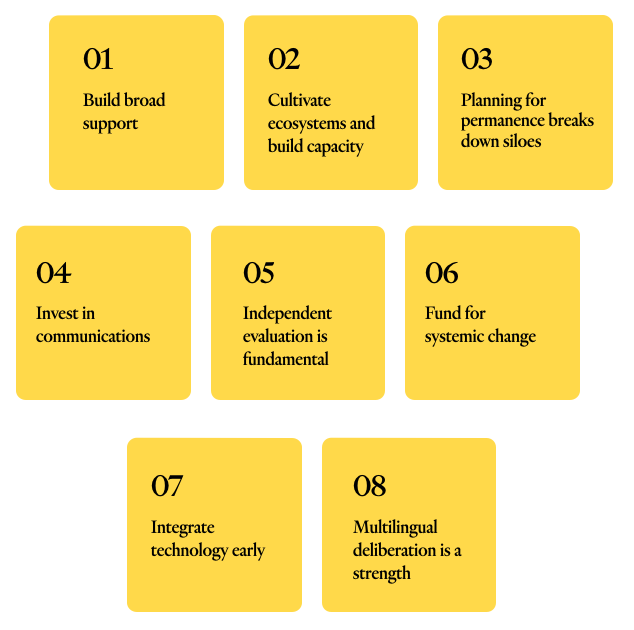
How we build capacity, convene, communicate, evaluate, fund, innovate with new technologies, and design for inclusion all play a role in cultivating new forms of democratic infrastructure.
Lessons for building democratic infrastructure
By the end of the paper we leave 3 specific groups with recommendations:
For cities considering first-time assemblies
A long-term goal to catalyse a thriving deliberative ecosystem is a lasting legacy that outlives a one-off citizens’ assembly process.
Build widespread support before you start and ensure it is a cross-partisan endeavour.
For practitioners supporting democratic innovation
Intentionally cultivate an ecosystem of people and organisations to support, advocate for, and deliver assemblies.
Invest in in-person workshops and convenings.
Experiment with technology.
For funders of deliberative democracy
Funders must dedicate more resources to capacity building and ecosystem development, not just one-off processes.
Invest in sustained, systemic investment in the people and organisations committed to making democratic innovations the norm.
Democratic renewal requires building new institutions and investing in supportive civic infrastructure, not isolated participation exercises. Citizens' assemblies are not just a useful tool for citizen engagement; when designed and delivered well, and embedded as new institutions, they shift power. When given a mandate, they can become democratic infrastructure. They should exist as permanent forums rather than one-off experiments.
But the conditions for this do not emerge on their own. They require investment - in local capacity, in ecosystems of practitioners, in evaluation, and in the political groundwork that makes recommendations impactful.They require funders willing to measure success over years and decades rather than project cycles, and commissioning authorities willing to commit to what comes after the final session.
Democratic renewal will come from embedding citizen deliberation into how decisions get made. These cities and regions show that another democratic future is possible.
Cities are messy, complex, diverse, beautiful places - they are where most people live. Even for those who don’t, there are policies, budgets, and strategies implemented by decision makers which shape everything about the places we call home. From the neighbourhoods we live in, the public services we have access to, and how we move around, cities and regions are the places where decision making impacts us greatly. At the same time, most people don’t have opportunities to truly shape these decisions. Citizens’ assemblies offer a way to tackle this when they are embedded as part of our democratic infrastructure.
Establishing an ongoing citizens' assembly while building supportive civic infrastructure requires a completely different mindset than implementing a one-off assembly. It needs to be approached like a marathon, not a sprint. Investing early in what comes after a first assembly is fundamental to building new democratic institutions. Doing so leads to catalytic ripple effects that impact how we fund, innovate, reimagine, and intentionally cultivate new forms of democratic infrastructure.
Those ripple effects begin with decisions made long before assembly members convene for the first time. This includes how to build local and regional capacity to deliver assemblies, how to design them, how to strategically communicate about the process, and how to fund them in a way that invests in building a lasting network of people and organisations who can sustain, adapt, and grow a resilient democratic ecosystem for the long run. Starting with this mindset makes it easier to consider how a citizens’ assembly, and those involved in implementing it, are not only people delivering a process, but catalysts for wider change with enduring impact. (Chwalisz & McKinney, 2026).
Research consistently shows declining trust in politicians and decision-making processes (2025 Edelman Trust Barometer). To rebuild that trust, our democratic institutions need to evolve to reflect 21st century realities and introduce meaningful ways for people to shape the decisions affecting their communities. This is possible when we broaden who has power and change how we make decisions.
To us, this means establishing citizens' assemblies not as one-off events, dependent on political will at a moment in time, but as new institutions, to which power can be shifted. It’s about the establishment of an institution that is embedded in law, parliamentary rules, or binding policy frameworks and the shift in norms and cultures that goes along with this.
This paper is for public servants, elected city officials and their advisors, as well as democracy practitioners who already know about citizens’ assemblies, have witnessed their transformative potential, though have not necessarily implemented an assembly yet themselves, and are interested in approaching things from the get-go with the marathon mindset of building deliberative democratic institutions.
To gather deeper insights, we also interviewed several people involved in each assembly - including the commissioning authority, organisers, elected officials, facilitators, evaluators, civil servants, and assembly members.
What follows is an overview of what motivated this work in the first place, the rationale for selecting each partner, the role of DemocracyNext, and the key principles that governed how we delivered the programme. We then discuss what approaching each assembly with the ambition to institutionalise from the start looks like in practice and the lessons we learned along the way. Lastly, we offer recommendations for municipal and regional governments, civil society, and funders interested in supporting or implementing a citizens’ assembly in their own context with the goal of institution building.
2. The DemocracyNext Cities Programme
2.1 Motivation
We launched the Cities Programme because decisions taken in our cities and regions are often the ones that impact us the most in our daily lives, yet people rarely have a say in shaping them.
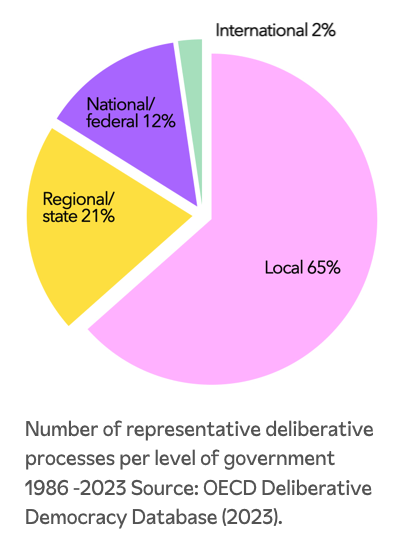
However, there is a wealth of evidence that suggests another way is possible. More than two thirds of citizens’ assemblies counted by the Organisation for Economic Co-operation and Development (OECD) have taken place at local and regional levels of government and there are now over 1,000 examples of assemblies worldwide to draw lessons from. Yet only around 25 of these are institutionalised. These assemblies demonstrate what’s possible and inspired us to launch a programme to work with cities, regions, civil society organisations (CSOs), and/or urban developers who were interested in implementing an assembly for the first time with the ambition to institutionalise (i.e. more than one-off processes, typically anchored in legal or regulatory changes that safeguard their continuity - in other words, deliberative democracy as a permanent way of making decisions).
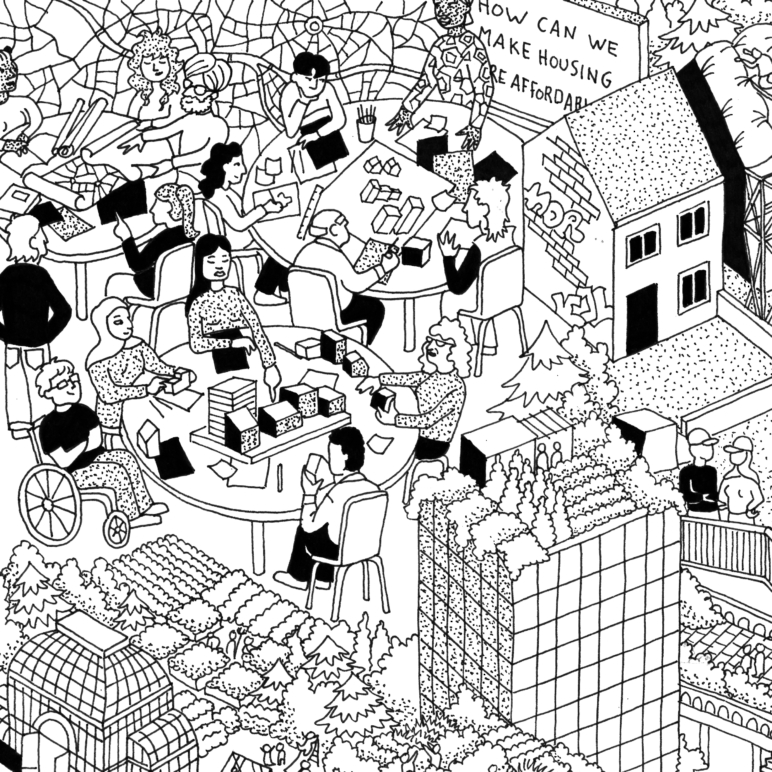
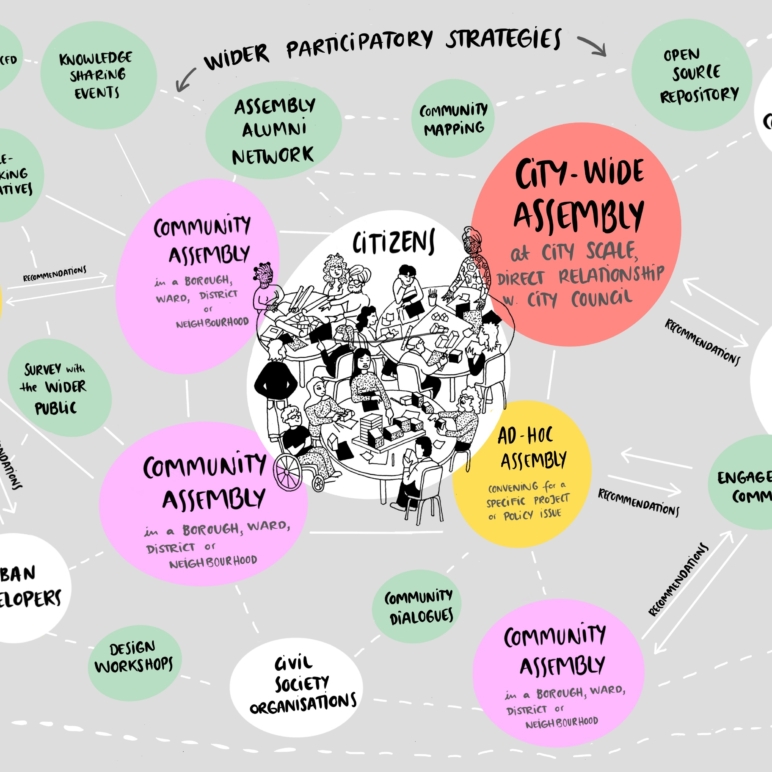
In the programme, we built upon the vision laid out in "Six ways to democratise city planning", a paper we wrote in collaboration with an International Task Force convened between 2023-2024. This group included a mix of people working in spatial practice, academia, civil society, public service, and the field of deliberative democracy. Together, we drafted a set of proposals to reimagine how decision-making processes in our cities and regions could evolve by placing more power in the hands of people, and envisioned how citizens’ assemblies could play a central role in upgrading democratic infrastructure.
The Cities Programme also links directly to DemocracyNext’s organisational mission to scale high quality, empowered, and permanent citizens’ assemblies by creating new infrastructure and institutions. With this as a starting point, each partner in the Cities Programme approached their assembly process as a testbed to evaluate, learn from, and consider how a permanent model of citizen deliberation could be established to help them tackle urban and regional challenges on a regular basis. Motivated by this, we intentionally established collaborations with four partners who shared these ambitious goals.
2.2 Partner selection and rationale
In early 2024, DemocracyNext launched a global call for cities to express their interest in testing out the proposals laid out in the paper. Open to municipal and regional governments, civil society organisations (CSO), and urban developers, the goal was to partner with those interested in making systemic changes to how decisions are made in their cities and regions by implementing a citizens’ assembly on a tough or challenging issue in their context.
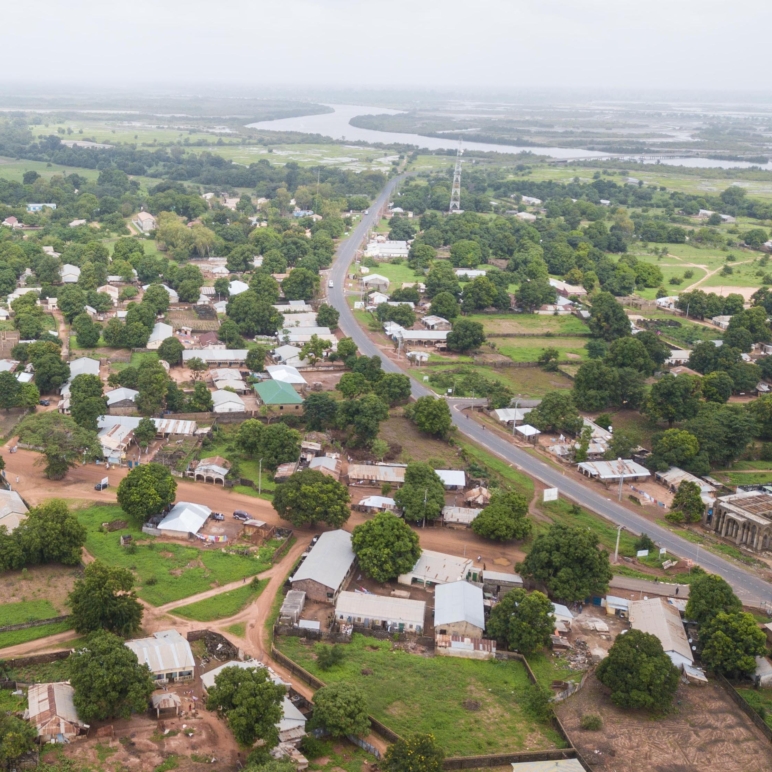
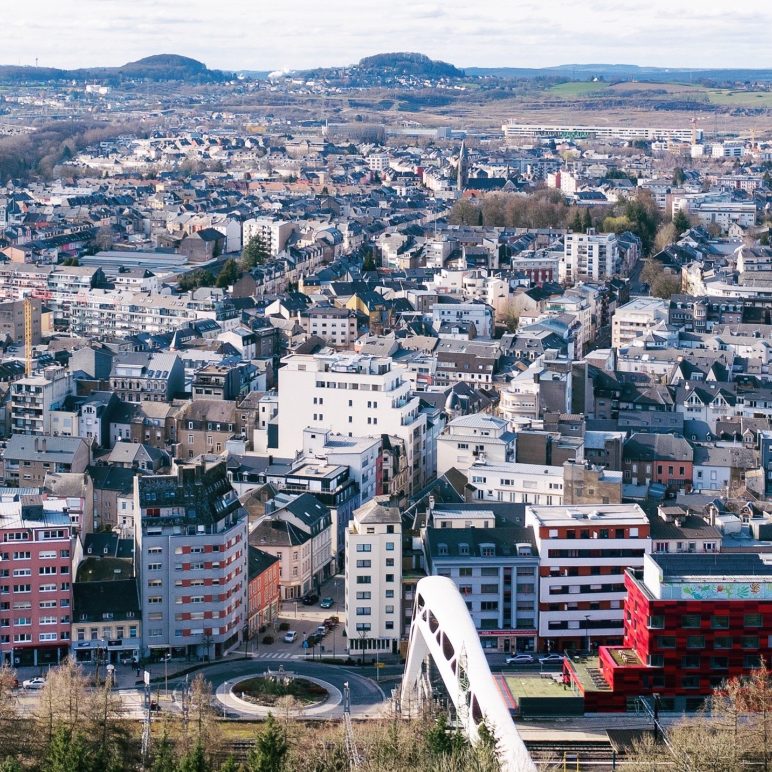
We received 23 applications expressing interest from civil society organisations, mayors, urban planners, public engagement departments, and individuals from 17 countries around the world. Through a rigorous interview process, we selected three partners - one CSO and two municipalities: Esch-sur-Alzette (Luxembourg); The Great Green Wall Frontline Initiative or GGWF (Kerewan, North Bank Region, The Gambia), and Vilnius (Lithuania). Each strongly demonstrated that they were prepared to implement such a project because:
They expressed an enthusiasm and willingness to make systemic changes to how decisions are made in their context;
They could demonstrate high level support from the start, including both political and administrative buy-in;
They could identify a topic the first assembly would tackle;
They represented diverse conditions, scales, and contexts to work in.
Before the Cities Programme officially kicked off, but running in parallel throughout 2023-24, we initiated a collaboration with government, practitioners, funders, and academic partners in Deschutes County in Oregon, USA, which emerged off the back of a conference organised by one of our now Non-Executive Board members, Matt Abrams, where CEO Claudia Chwalisz presented about citizens’ assemblies and inspired one of the Bend City Councillors, Anthony Broadman (now a Senator in Oregon), to galvanise wider political support amongst his colleagues.
While each starting point differed slightly, a common thread was that project partners were highly motivated to collaborate and aligned with DemocracyNext’s mission. Given that the assembly in Deschutes County was already underway as the Cities Programme kicked off, there were tangible lessons gathered along the way that helped with delivering the programme. In this paper, we therefore draw on lessons from all four places.
2.3 DemocracyNext’s role
The DemocracyNext team collectively brought a mix of experience in designing citizens' assemblies (including the world's first permanent assemblies in Paris, Ostbelgien, and Brussels), leading the OECD's work on deliberative democracy and developing international good practice standards, expertise in urban design and planning, delivering communications strategies, and large-scale programme management. This body of knowledge and experience formed the basis from which we could collaborate effectively with each partner.
Implementing a citizens’ assembly for the first time is often daunting. There are countless design choices, many of which require political buy-in and support from the administration. Planning for the assembly delivery also involves a significant amount of logistical organisation. Knowing how to integrate best practices while adapting to context requires dialogue, openness, and creativity. Since DemocracyNext is not a practitioner organisation (i.e. we do not facilitate assemblies), our role involved advising on the overall design, connecting partners with global practitioners for practical advice, mapping and identifying allies and supporters in each context, while building the capacity for each partner to do this on their own in the future.
2.3.1 Learning programme
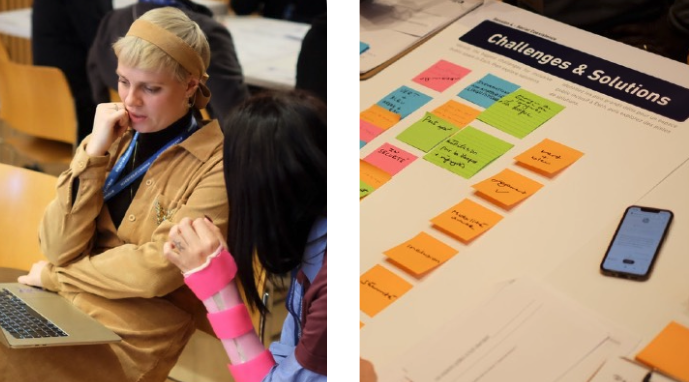
To do this, we delivered a nine module learning programme for civil servants, decision makers, and planners in each partner city/region, delivered both virtually and in person, to build the knowledge and confidence needed to design and implement a citizens' assembly for the first time. Each module included presentations from experienced global practitioners and academics about each distinct aspect of designing and running a citizens’ assembly. Participants also learned about the importance of other key aspects including evaluation and how technology is increasingly being integrated into assemblies.
[images]
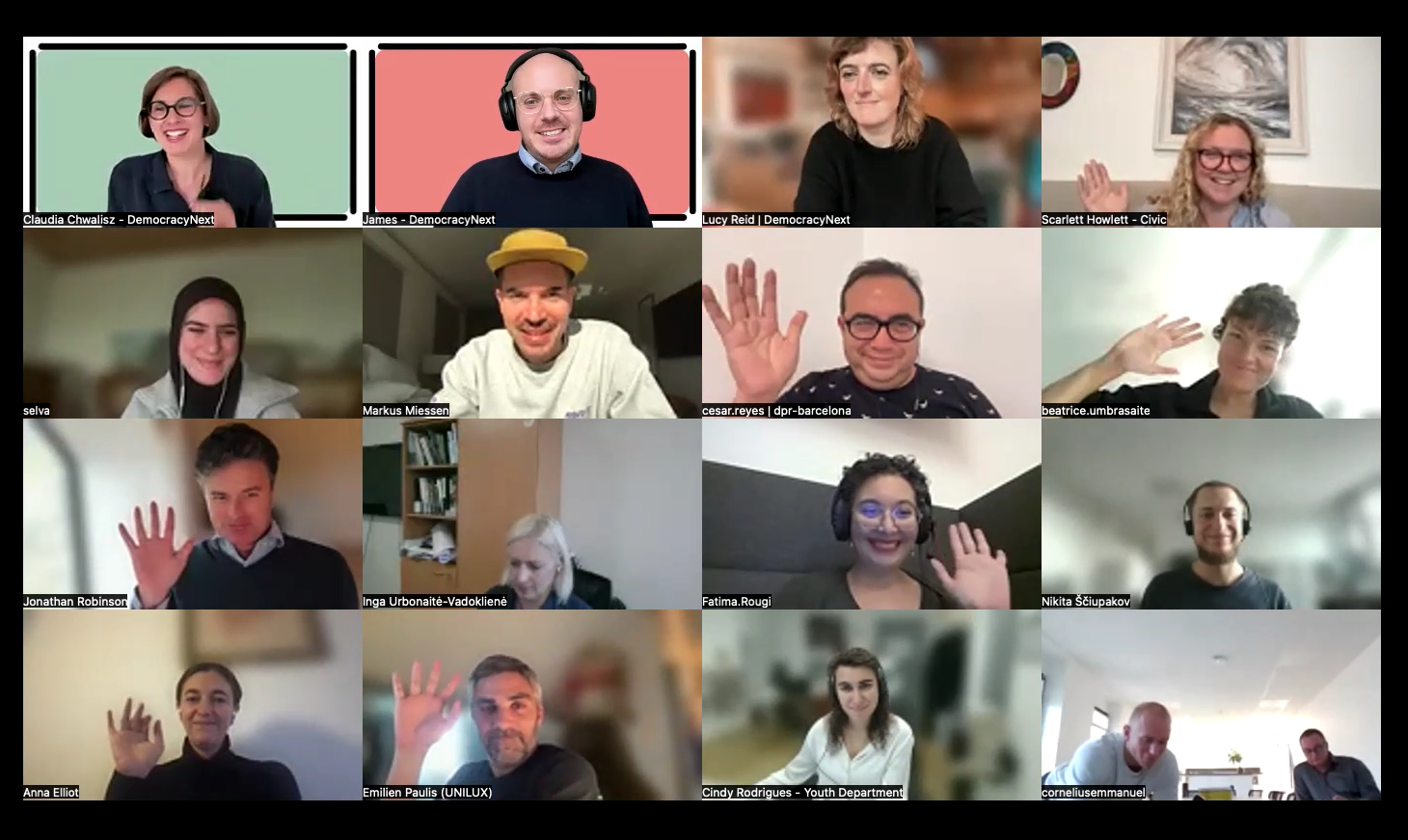
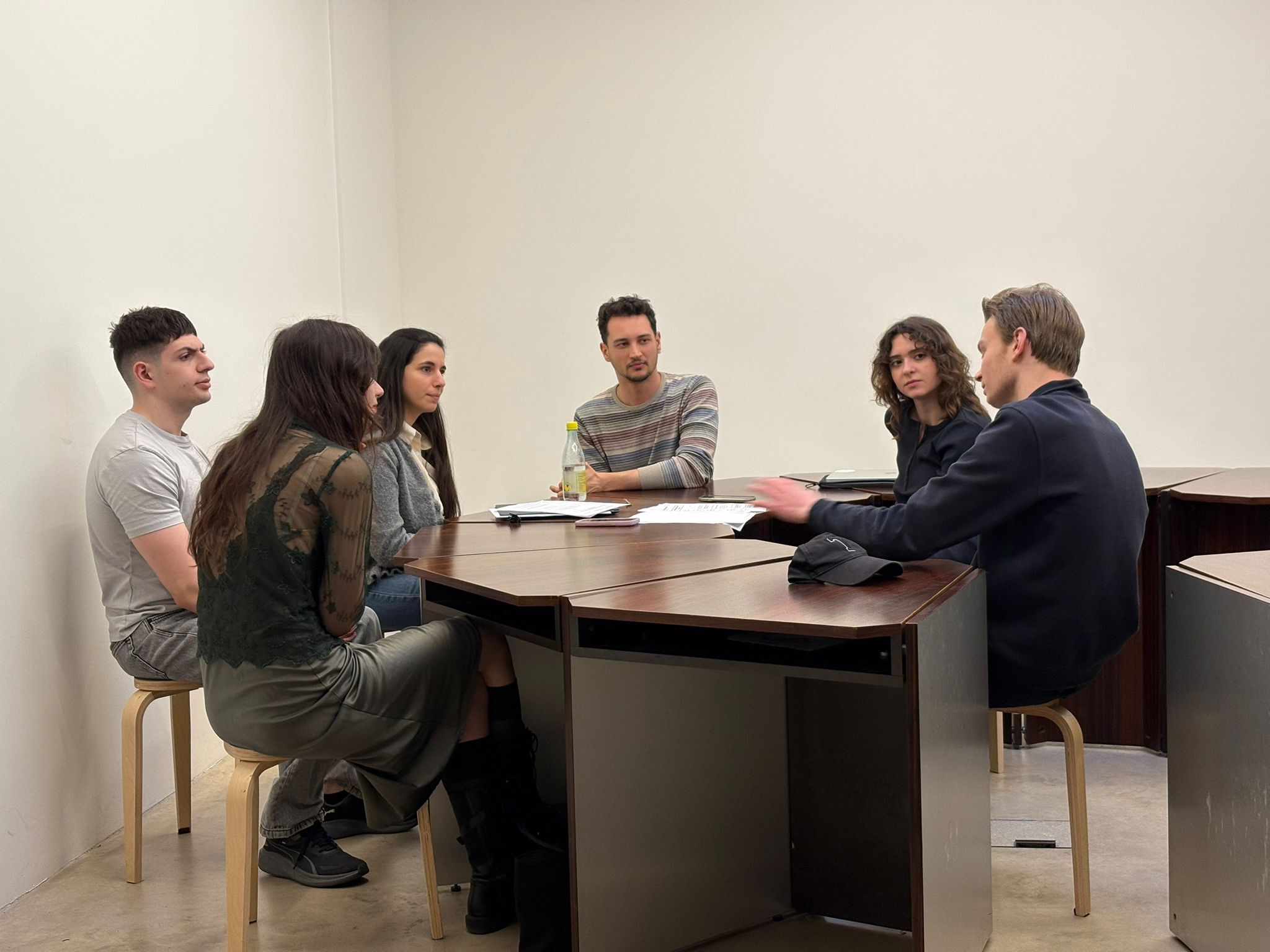
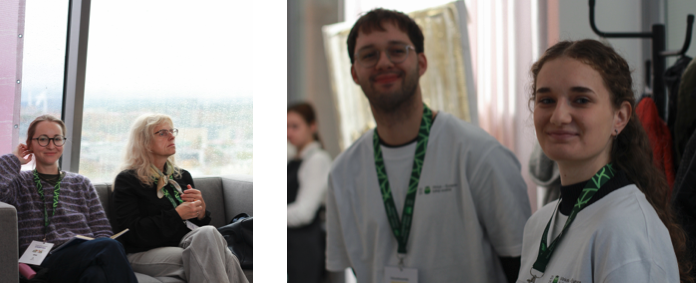
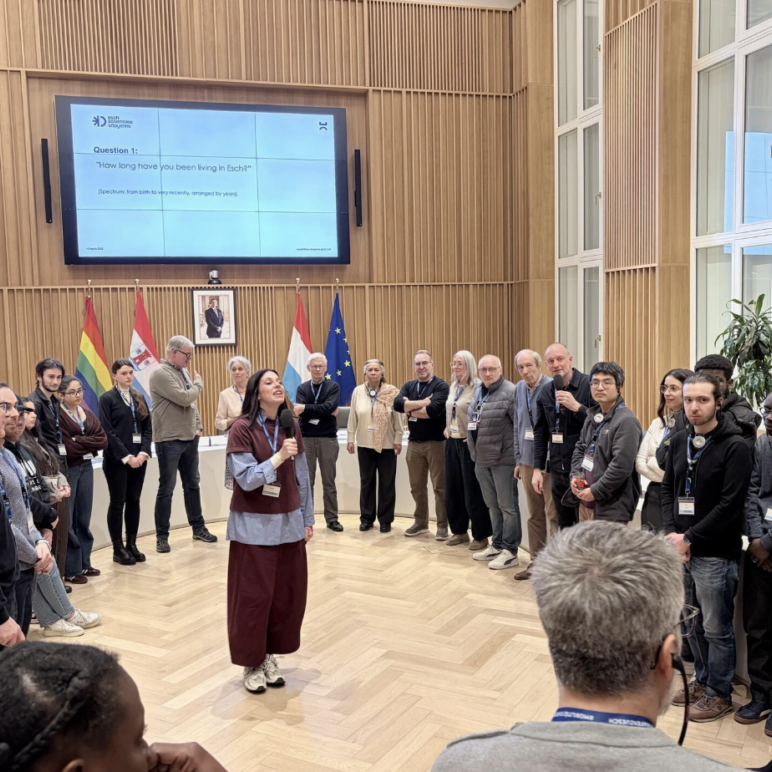
Module 1 of DemocracyNext Learning Programme with participants from each participating city
2.3.2 Designing for each context
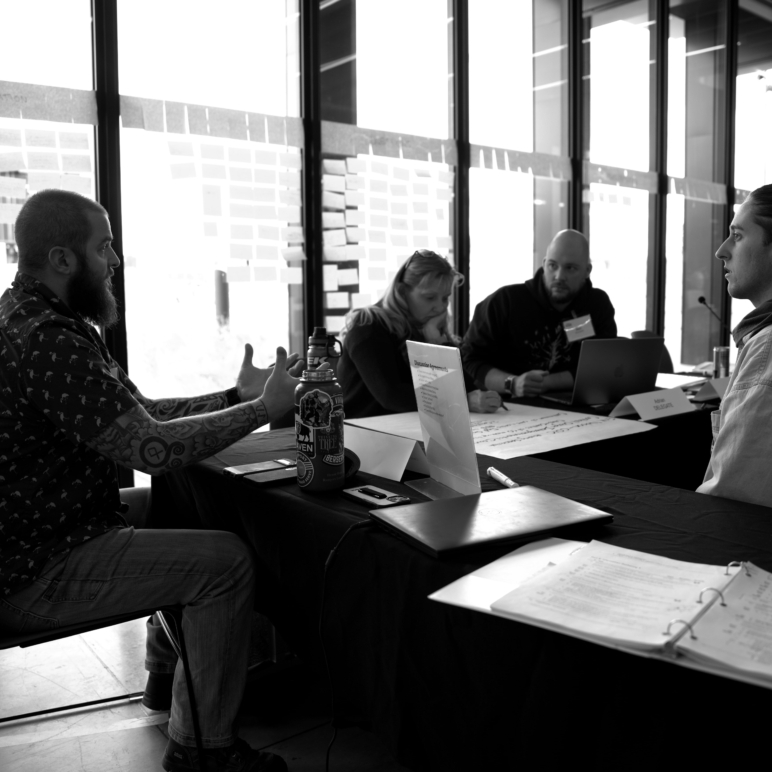
At the end of the learning programme, we worked with each partner to contextualise the learnings and co-design a tailored approach.This involved co-hosting in-depth context-building and knowledge-sharing workshops to identify key actors and stakeholders, map the specific challenges and opportunities in each place, while identifying the most relevant entry point for their citizens' assembly. This meant learning from their experience in order to adapt and contextualise international standards and good practices to their specific setting. Together, we identified and convened civil society organisations, academic institutions, facilitators, and other relevant people who would need to be engaged for the assembly.
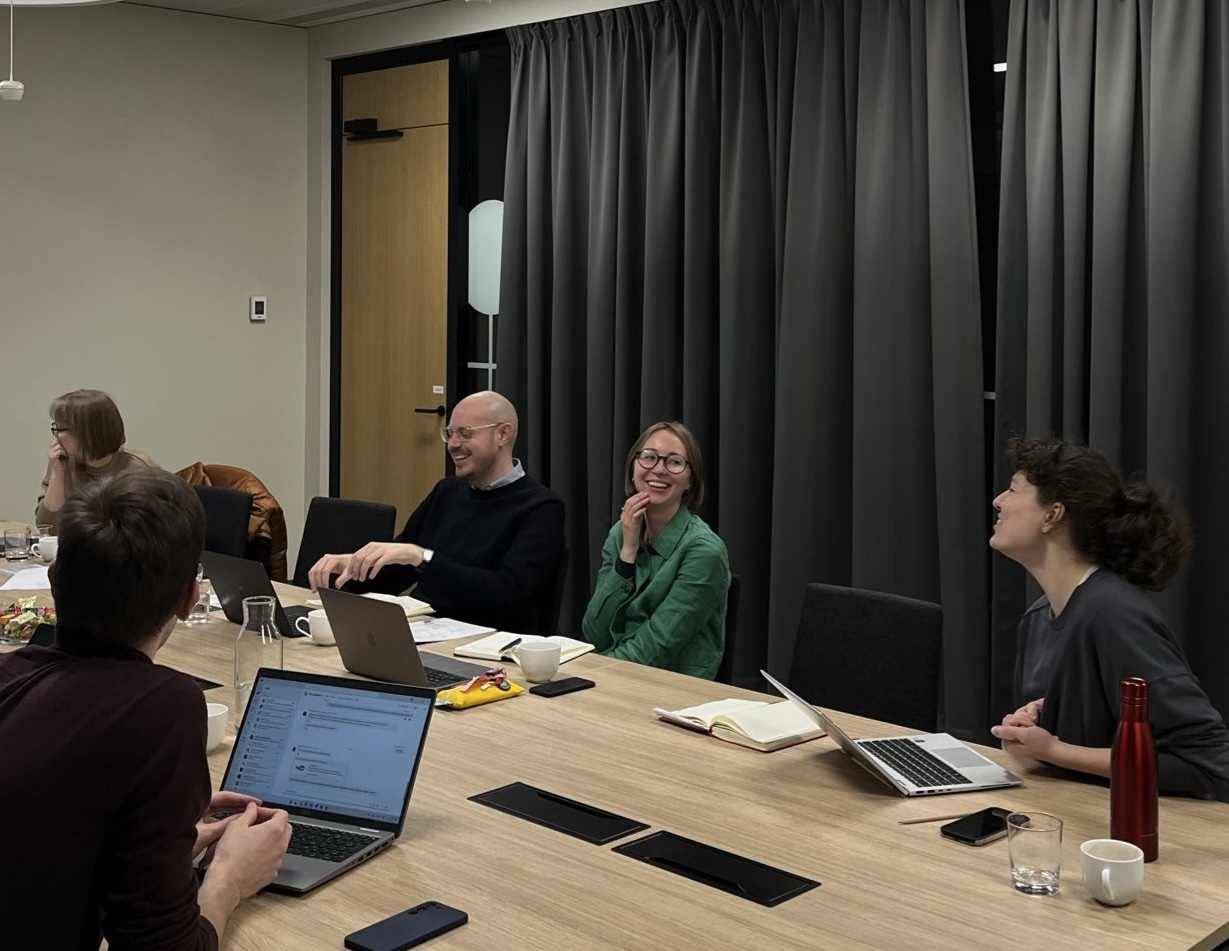
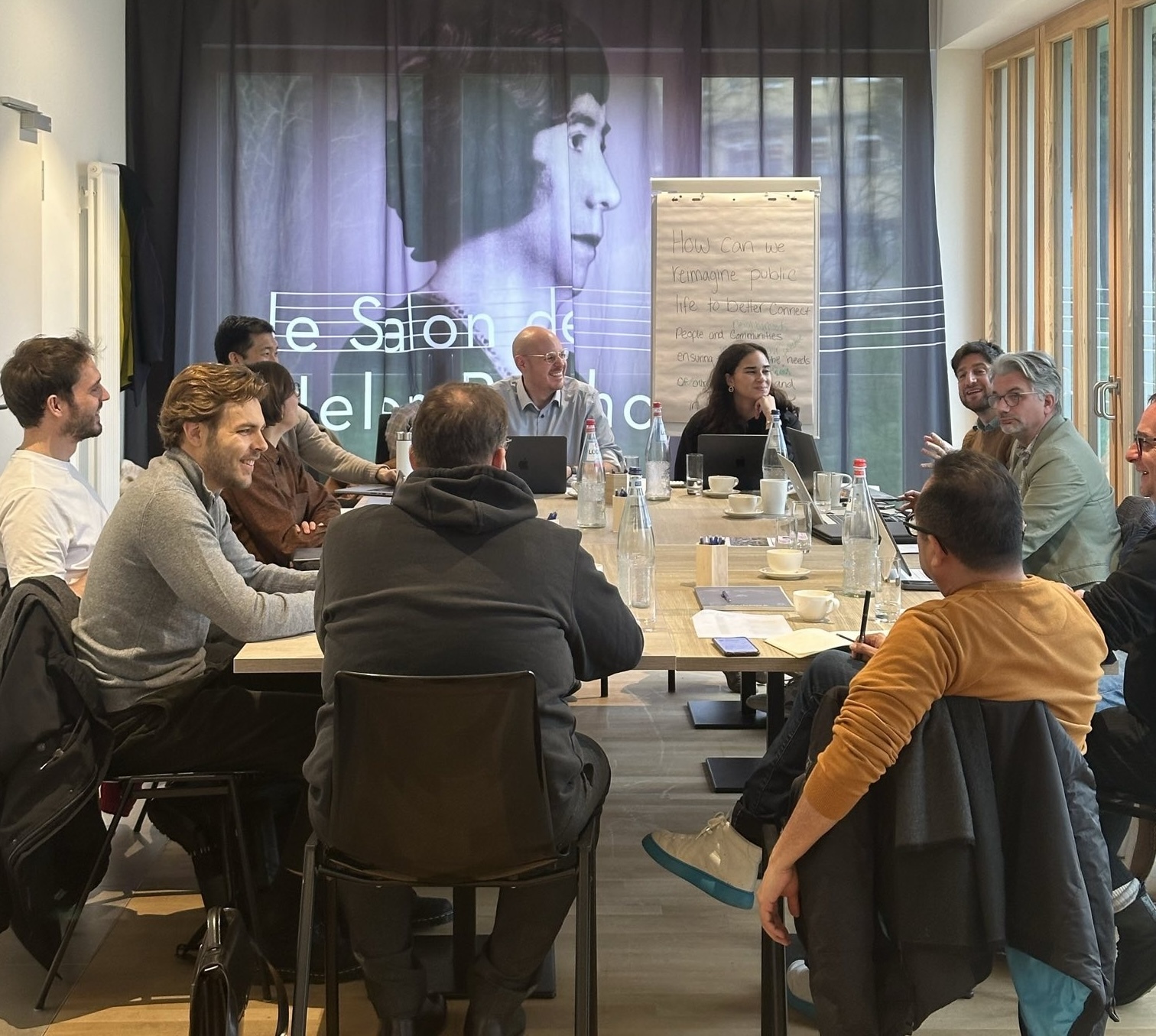
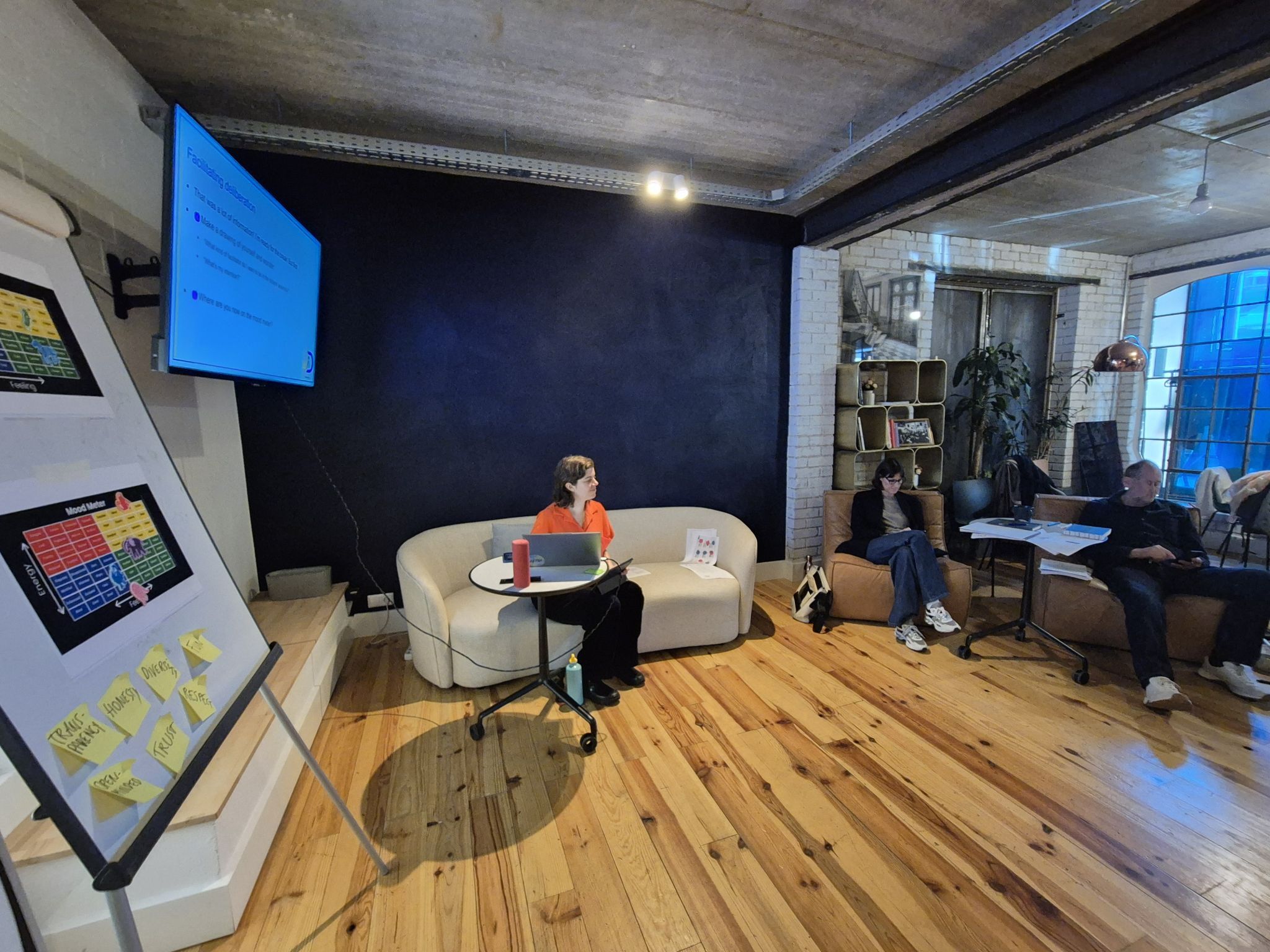
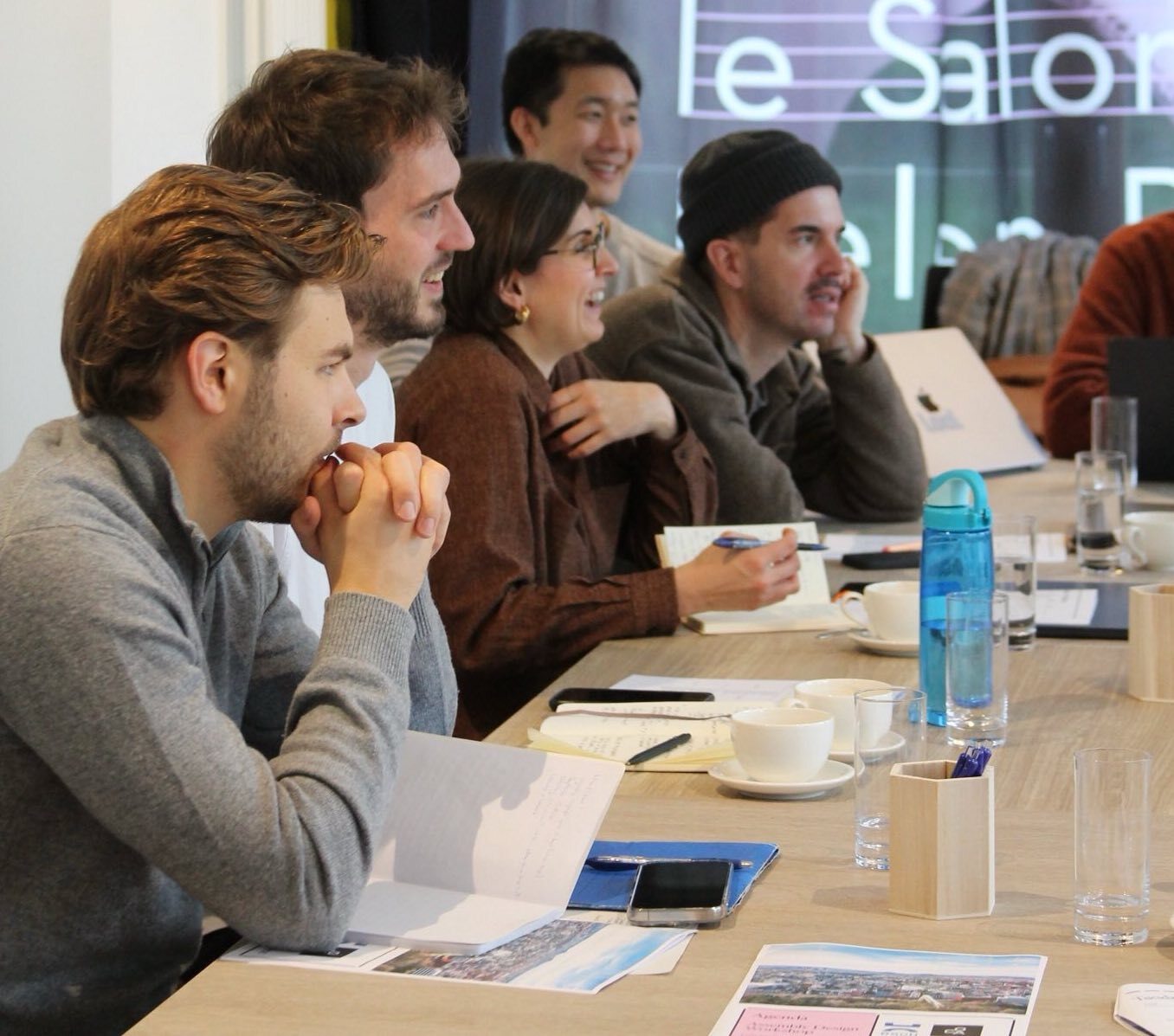
Participants from each city taking part in DemocracyNext’s virtual Learning Programme; Assembly design workshops taking place in Esch-sur-Alzette, Vilnius, and Kerewan. Photo credit: DemocracyNext
For all three partners in the Cities Programme, we coordinated training for facilitators and organisers in close collaboration with deliberative assembly practitioners organisations from around the world. In Vilnius, We Do Democracy led a three day masterclass on facilitating deliberation for 30 practitioners from Lithuania and across the Baltic region. In The Gambia, Shared Future delivered a multi-day workshop with facilitators. Since they had facilitation experience, the workshop focused on contextualising deliberation methods rooted in their experience with local practices and facilitation strategies, and informed by common approaches in The Gambia. In Esch-sur-Alezette, What About Dem led a one-day deliberative facilitation training for the practitioner organisation Snakke & Co. who had experience delivering participatory processes in Luxembourg, but wanted bespoke training for leading deliberative processes. In Deschutes, we partnered with the practitioner organisation Healthy Democracy, who already had deep experience in delivering deliberative assemblies, and were well positioned to lead the organisation and facilitation of the assembly.
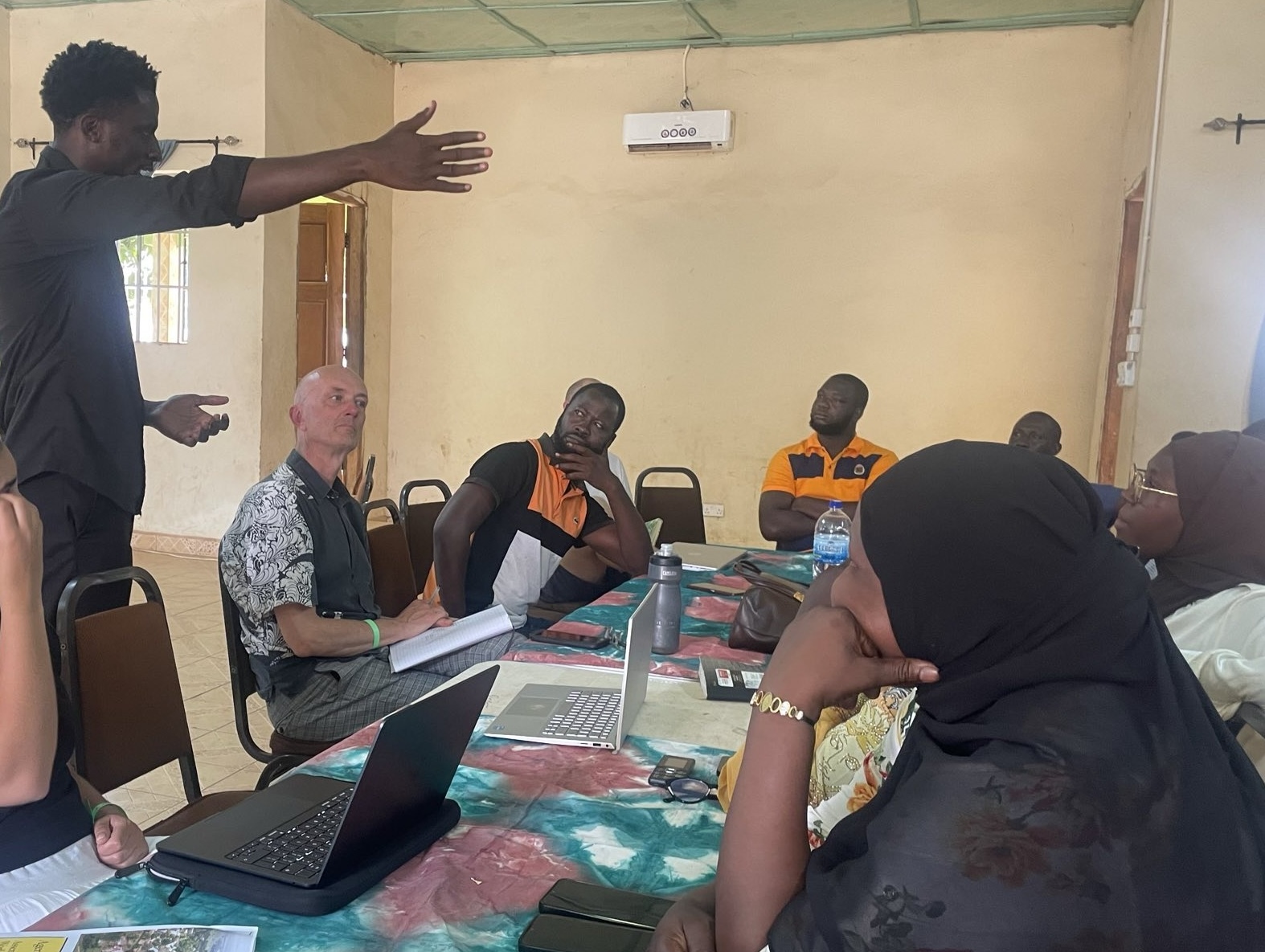
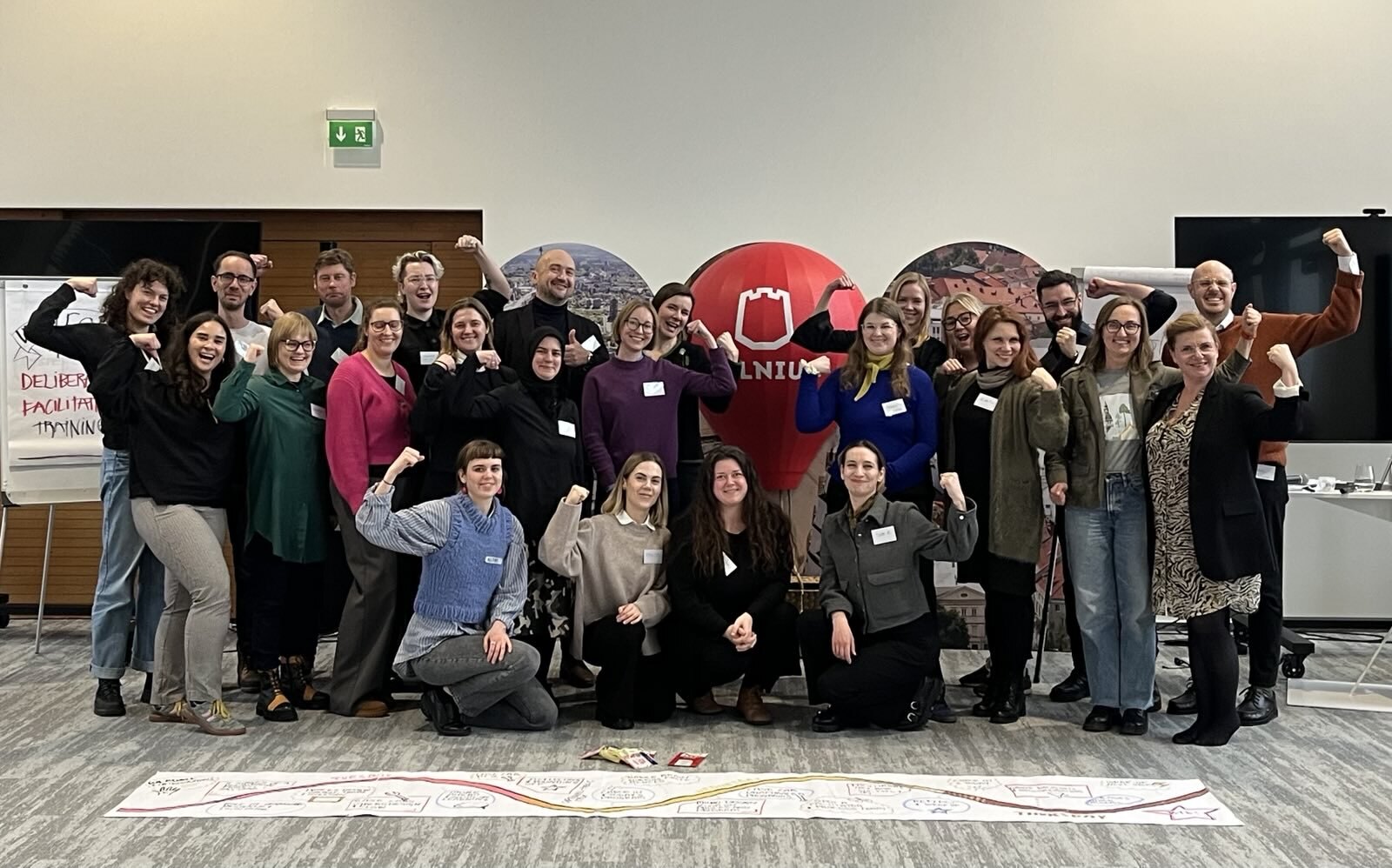
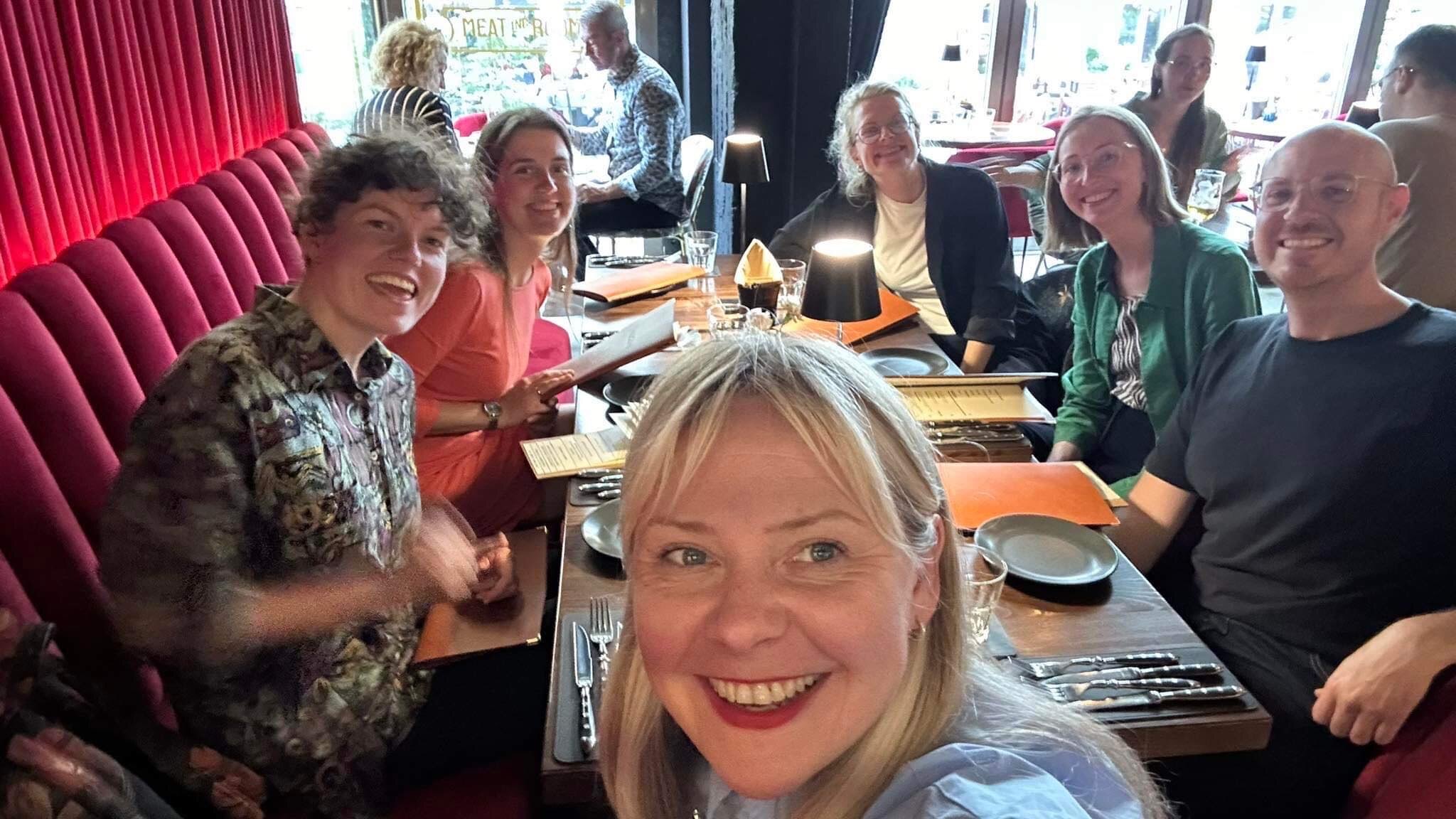
Facilitation training workshops in Lithuania, The Gambia, and Luxembourg Photo credits: DemocracyNext & Hannah Vanbelle
2.3.3 Support throughout
Leading up to the launch of each assembly and throughout their implementation, we provided ongoing methodological advice and guidance helping partners iterate and problem solve. The foundation for this was grounded in experience, examples from the field, and established frameworks, including the OECD Good Practice Principles for Deliberative Processes and DemocracyNext's Assembling an Assembly Guide. Throughout all phases, we remained in close contact with each organising team to ensure they were supported to deliver their assemblies while maintaining enough distance for them to be confident owners of the process.
2.3.4 Catalysing impact
Beyond capacity building, design advice, and implementation support, DemocracyNext’s role was to help each project partner and the wider network of organisations involved take steps to become scaling catalysts in their own context. By building sufficient local knowledge, skills, relationships, and institutional confidence, the goal was for each partner to have the tools to do this themselves after their first assembly concluded, without ongoing support from DemocracyNext – catalysing local ecosystems of people and organisations to carry this work forward. We learnt that one concrete expression of ecosystem investment included the power of convening. Bringing together people working in similar contexts generated something greater than knowledge sharing alone, it seeded connections.
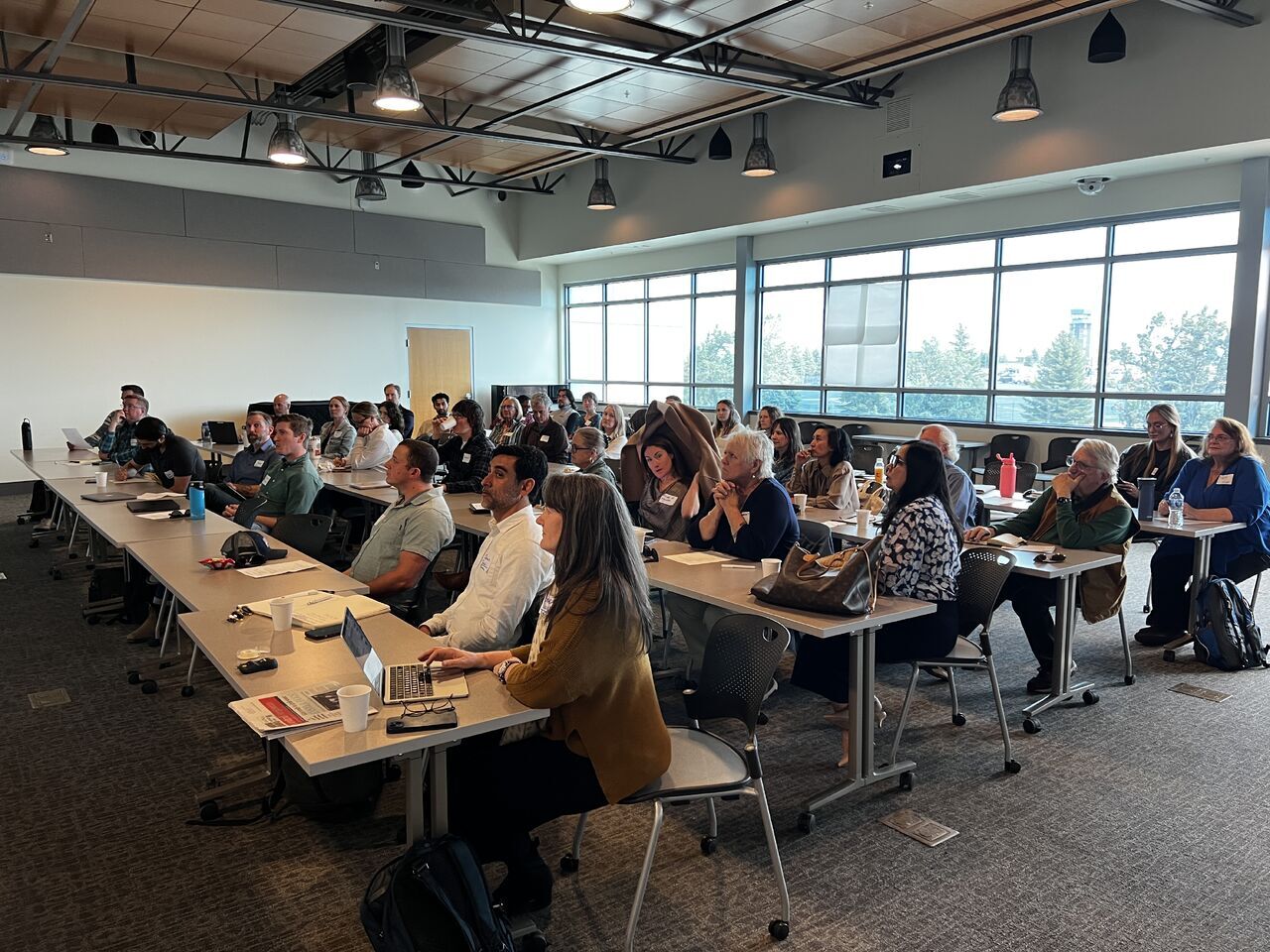
Across all four partners, that investment in local capacity is already having an impact. In Deschutes, the assembly directly catalysed the creation of the nonprofit Central Oregon Civic Action Project (COCAP), a first step in establishing a permanent standing assembly. This includes a partner network of over a dozen civic, education, and business organisations. COCAP is now fiscally sponsored by the non-partisan Central Oregon Intergovernmental Council (COIC), a public entity responsible for implementing cross-jurisdictional programmes such as regional mass transit, affordable housing initiatives, and rural community building. The relationship with COIC and other partners has given COCAP cross-partisan credibility and institutional reach across the region, In 2026, COCAP hosted a 2.5-day Civic Action Summit, attended by more than fifty government and civil society leaders from across Central Oregon and across the U.S. Participants learned about the impacts and structures of permanent citizens’ assemblies in Belgium and France, as well as on assembly design and facilitation. A second assembly is in the works for later this year. Organisers selected the assembly topic of how to manage the impacts of AI by using Polis to gather input from the public. COCAP will now host seven Community Conversations across the region to narrow down this topic further with the assembly scheduled to kick off in December 2026.
Attendees of COCAP’s Civic Action Summit in April 2026. Photo credit: Josh Burgess
Local governments are also asking for help to design deliberative processes on wildfire resilience and regional growth while Oregon's Governor's office and the State Senate have been consulting with COCAP on implementing civic assemblies to re-think state public health and taxation policies.
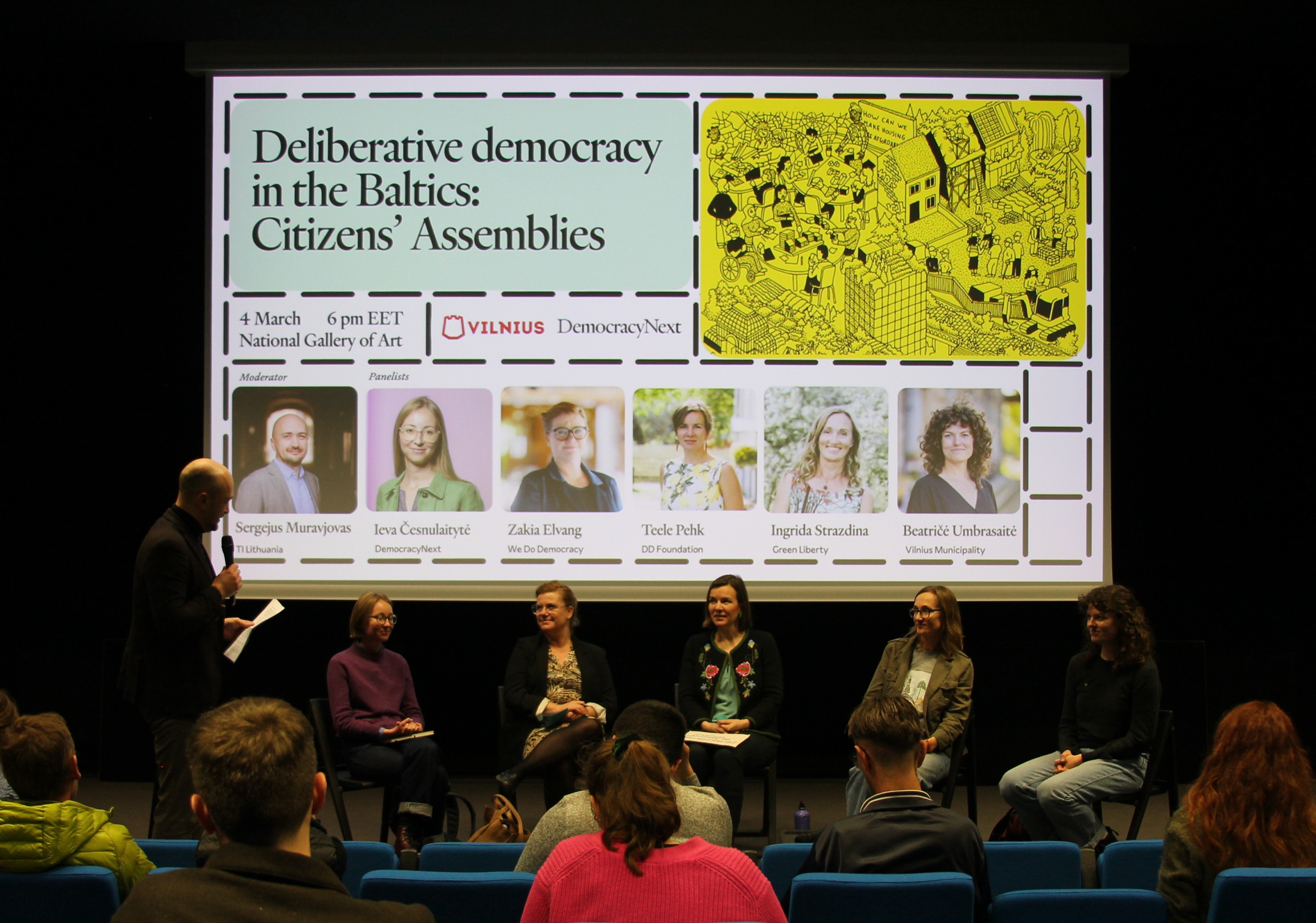
In Vilnius, the facilitation workshop, intentionally organised to offer regional capacity building, has led to further impact. The assembly’s lead facilitator, who took part in the training, is now facilitating two additional municipal-level assemblies in Lithuania. The convening also prompted an expansion of the Nordic deliberative democracy network to include Baltic countries. This group is now working closely, applying for funding together, and sharing regional lessons, methods, and skills in deliberation.
Deliberative Democracy in the Baltics Event Co-hosted by DemocracyNext and the City of Vilnius, 4 March 2025, Vilnius, Lithuania Photo credit: DemocracyNext
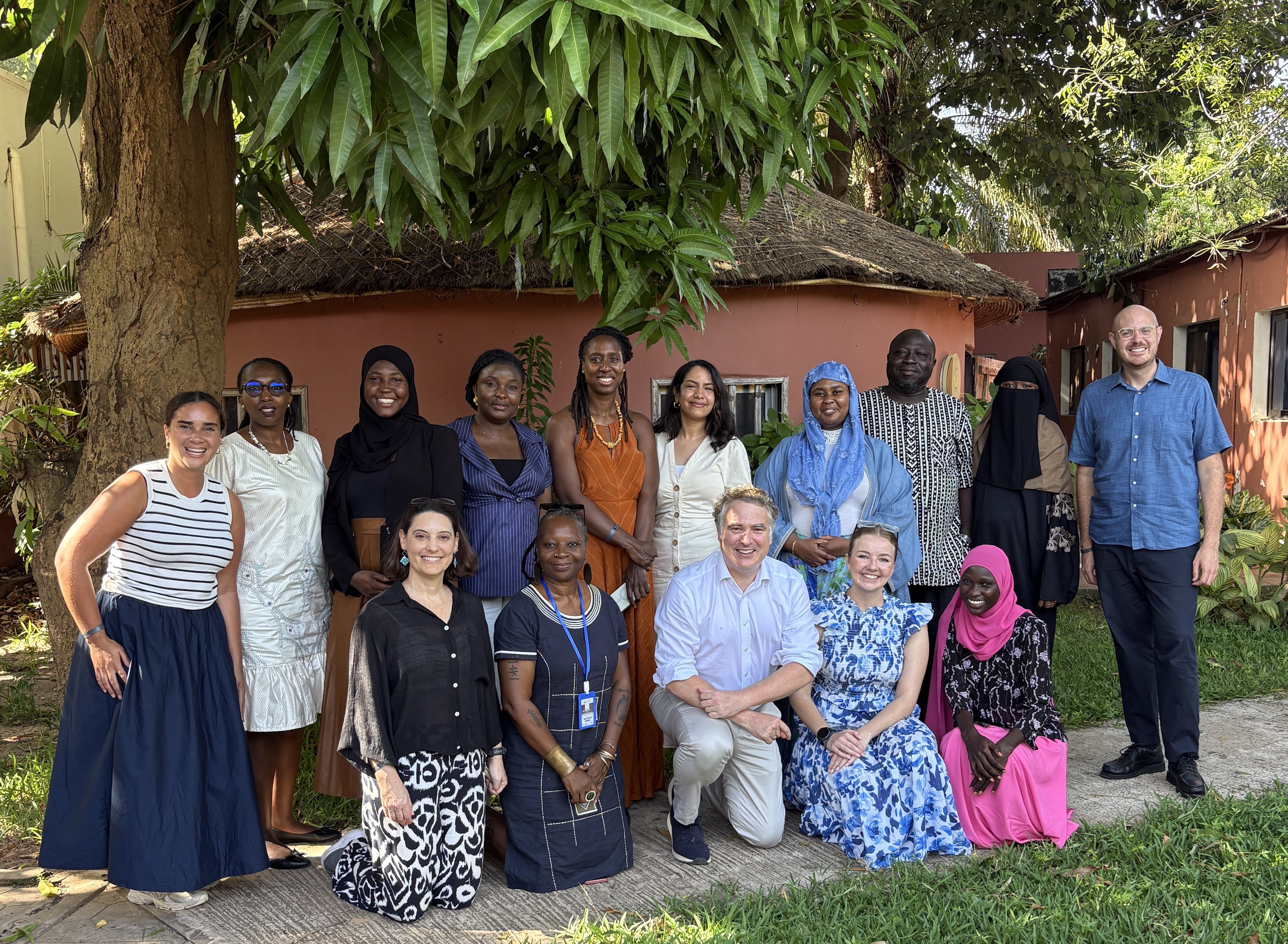
In The Gambia, following the assembly, we convened practitioners from across Africa in Banjul to exchange insights, map out key actors, and develop plans to launch an African network for deliberative democracy, now formalised as the Katcha Network, which includes practitioners, funders, and academics from Kenya, Senegal, Nigeria, Morocco, and South Africa (MacDonald-Nelson and Terry, 2026). Organisers of the 2026 climate assembly in Cape Town also took part and travelled to Kerewan to observe the assembly process and gather insights. Lead facilitators of the assembly, Satang Dumbuya and Cherno Gaye are also exploring a possible collaboration with the UM6P School of Collective Intelligence in Morocco.
Participants included: Back (left to right) Hannah Terry, Nadine Rugwe Umutoni, Satang Dumbuya, Anthonia Odije Onda, Eveline Rodrigues Abotsi, Fatima Zamba, Maryam Wangeshi, Lamin Dampha, Fatou Kah, and James MacDonald-Nelson. Front (left to right) Fiona Anciano, Priscilla Yagu Ciesa, Lex Paulson, Kira Alberts, and Fatou Cham. Photo credit: DemocracyNext
In Esch, a nascent community of practitioners and academics is emerging by virtue of coming together to deliver and evaluate the assembly. Through this process, facilitators, Snakke & Co., now have the skills and knowledge to implement more assemblies in Luxembourg. Integrating the deliberation platform Dembrane has also demonstrated how technology can play a key role in a multilingual assembly, a lesson for future deliberative processes in a country that has three official languages (MacDonald-Nelson and Terry, 2026b). Representatives from the municipality have also been connecting with other Luxembourgish municipalities to share their experience and to inspire them to learn from Esch.
Facilitators worked closely with dembrane co-founder Evelien Nieuwenburg throughout the assembly to ensure the platform was capturing deliberations correctly and integrating into the process. Photo credit: Gustav Kjær Vad Nielsen
Intentionally catalysing these networks in each context has led to an emergence of local ecosystems of practitioners, advocates, and experts in deliberative democracy. It is only one part of building democratic infrastructure, but forms a basis from which to continue growing and evolving.
As we point out in a recent DemocracyNext paper, “Scaling Democratic Innovations”, any efforts to scale effectively must also include a strong commitment to upholding quality : “The reasoning for upholding quality is strategic. Poor quality assemblies do not just fail to deliver, they actively harm the field by confirming sceptics’ doubts and burning political capital. (Chwalisz and McKinney, 2026)” A key way to do this is through evaluation that generates and shares learnings relevant to the commissioning body, organisers, facilitators, and other cities and regions wanting to hold an assembly. In each place, DemocracyNext worked to ensure that there was an independent evaluation, in partnership with a local academic or research institution, to inform future iterations and contribute to the broader evidence base of citizens’ assemblies. Each evaluation looked at key elements such as: representativeness; facilitation quality; impact on assembly members, and recommendations for future assemblies and institutionalisation.
Establishing a resilient local ecosystem of people and organisations to spread and institutionalise democratic innovations doesn’t happen organically. It takes intentional cultivation and a commitment to capacity building, research, learning, and iteration. It also takes a lot of behind-the-scenes relational work – in each case, there were around 18 months of work involving training, advocacy, communications, network-building, in addition to the assembly design and preparation. The Cities Programme demonstrates what that cultivation can look like in practice and the early signs across all four places suggest that when there is political will to invest for the long term, local ecosystems can and do take root.
2.4 Key principles that guided how we delivered the programme
Working across diverse contexts with little to no experience in delivering assemblies meant that we needed to approach each collaboration with intentional care. While this isn’t always easy in practice, there were five key principles that guided how we worked with each partner to deliver the Cities Programme. These included:
Avoiding dependency: The Cities Programme was designed so that each partner could continue the work and would no longer need DemocracyNext's direct involvement after the collaboration finished. Tangibly, this meant that each organising team has built the capacity needed to carry the work forward themselves.
Shared authorship of design: Every assembly process was co-designed with each partner, not handed down. Partners first began with the learning programme to have a minimum shared understanding about what citizens’ assemblies entail. We also met with key stakeholders to better understand each local context before any design work began. Together, we then started from their context, their constraints, and their goals, pointed to best practices and examples from other places, but ultimately adapted the design to each context. We shared learning materials and templates as starting points to adapt, not blueprints to replicate.
Respect for existing civic cultures: We sought to learn about, understand, and integrate the civic traditions, successful participation norms, and institutional realities in each context and resisted transplanting models that worked elsewhere without interrogating whether they were appropriate in a new setting.
Non-extraction of local knowledge: Insights, methods, and innovations developed through the programme belong to the partners and to the field. We treated local practitioners as co-contributors and experts in their own contexts, and we committed to documenting and sharing learnings with their knowledge and consent.
Transparency and mutual learning: DemocracyNext is not a practitioner organisation and we were developing our own practice to support institutionalisation efforts in contexts without prior assembly experience throughout this programme alongside our partners. There were moments where we had to draw on others' expertise, and moments where things did not go as planned. We tried to remain transparent about this throughout the programme and sought feedback from our partners along the way. Our support included being honest about the limits of our own knowledge and a willingness to learn together.
We tried to integrate these principles into our working relationships as much as possible. This included how we communicated with partners, how we took decisions, how we externally communicated about each assembly, and ultimately how each assembly was designed and implemented. Along the way we learned many things about what it really means to try and build democratic infrastructure.
3. What we learned about building democratic infrastructure
As a relatively young organisation, this was DemocracyNext’s first flagship programme, and naturally involved many new challenges - not least the experience of collaborating in diverse contexts across four countries on three continents. In the following section, we offer an honest reflection of the things that went well, the challenges we encountered, and offer reflections on how things could have been done differently.
3.1.1 Widespread community, institutional, and cross-partisan political support is an essential starting point
Broad and cross-partisan support for institutionalisation from the outset is far more likely to have lasting impact, survive changes in political leadership, and lead to meaningful changes in decision making power and process in the future. Waiting too long to bring opposition figures, senior civil servants, and community groups into the conversation often leads to managing criticisms that could threaten the success and longevity of the project. The goal is not to win everyone over, but to ensure that key people understand the process, and feel heard before it begins. Community groups and local organisations matter here too, especially when the assembly question touches on topics on which they’re working. Involving them early, and in some cases at the key moments during the assembly, can turn potential opponents into advocates.
In Deschutes, Josh Burgess, DemNext’s lead organiser of the project, spent months meeting one-on-one with community groups, city and county officials, rotary clubs, and veterans' groups before the assembly was publicly announced. That effort was decisive in building the bipartisan and community support needed to ensure local and county governments took the process seriously, and to bring in the necessary funds to implement it. While it wasn’t always easy to build support, Josh explained that levelling with each of these groups, pointing to how the assembly supported their mission whilst also benefitting the community at large, proved to be successful. COCAP established local government support as the top prerequisite for conducting the civic assembly. Josh held private and public conversations with elected officials (the Bend City Council and the Deschutes County Board of Commissioners) over the course of three months to fully inform elected and administrative leaders of the process details and intended outcomes. Such deep relational work resulted in support from trusted and influential civic leaders, such as Tammy Baney, the Executive Director of the Central Oregon Intergovernmental Council, and Anthony Broadman, Bend City Councilor (now Oregon state senator), along with numerous other cross-partisan advocates. After multiple meetings, both elected bodies held public votes and approved signatures of memoranda of understanding to 1) endorse the assembly process, 2) publicly receive the recommendations from the assembly, and 3) formally respond to the public.
In Vilnius, the municipality’s internal organising team, alongside the Chief City Architect, Laura Kairienė, worked hard to ensure there was support from the Mayor, Valdas Benkunskas, and Vice Mayor, Andrius Grigonis. This high-level political backing was essential, but broader support from a larger and cross-partisan group of city councillors would have ensured more internal political advocacy for the assembly. While we did meet with several councillors during our visits to Vilnius, we could have sustained a greater effort to connect more directly with a wider group of them throughout. On the other hand, the organisers successfully worked with community groups broadly working on the topic of urban mobility and accessibility. They engaged with these groups early on and several of them presented to assembly members during the learning phase.
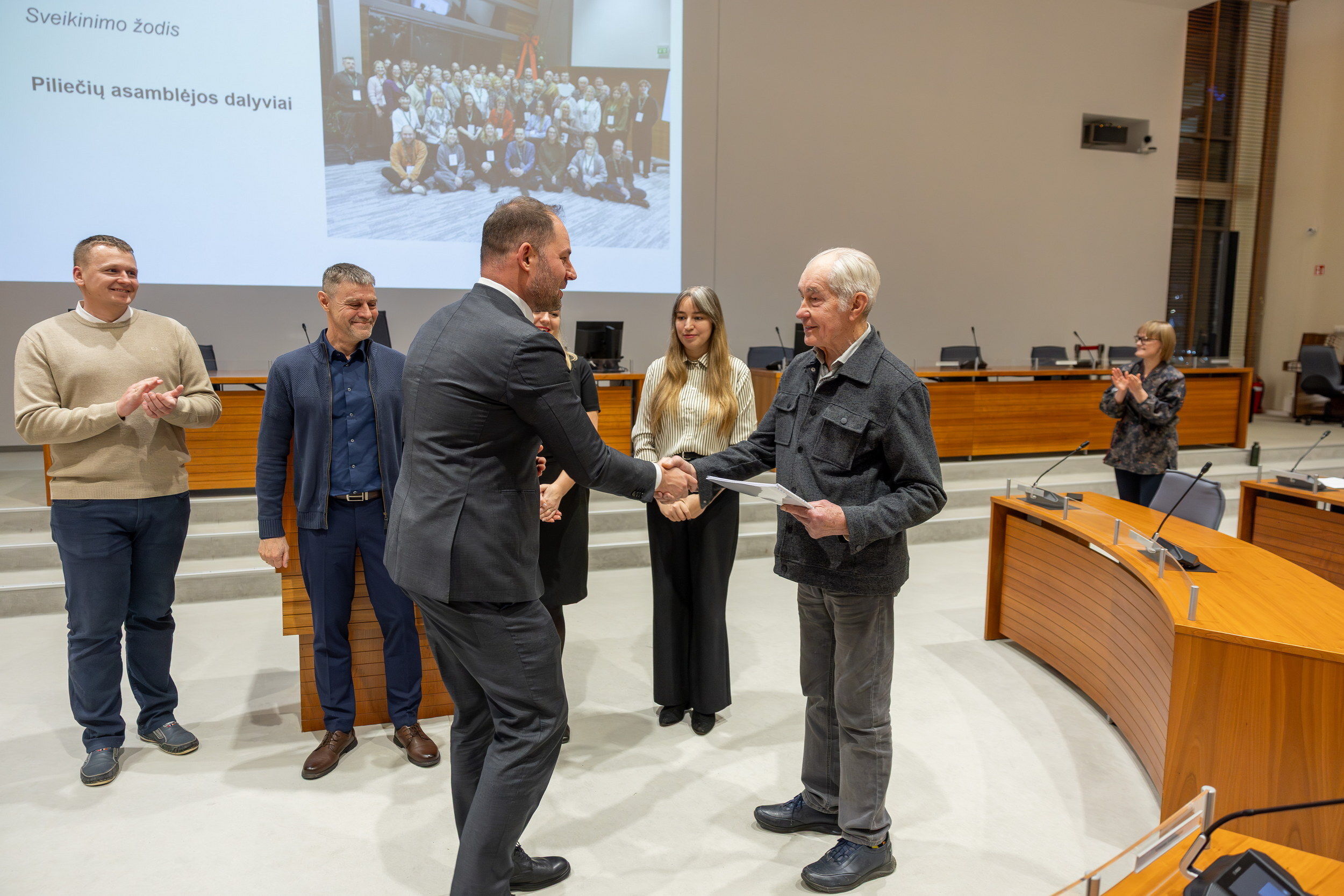
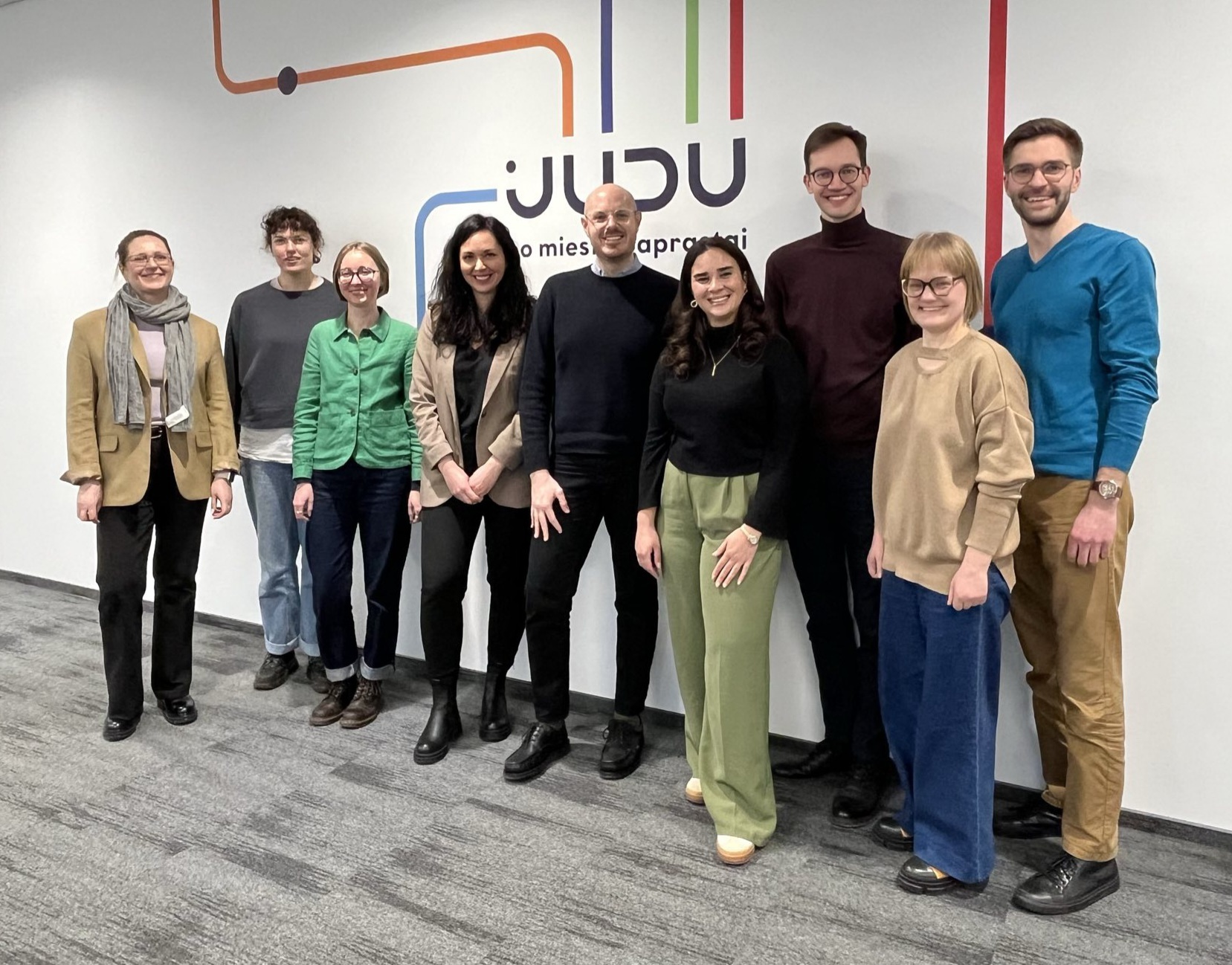
DemocracyNext meeting with Chief Architect, Laura Kariene and her team of advisors during a first visit to Vilnius Photo credit: Laura KarieneVice Mayor, Andrius Grigonis receiving recommendations during handover event in Vilnius, 10 December 2025. Photo credit: Vilnius Municipality
A similar lesson applies to The Gambia where securing support from local and regional decision makers could have happened earlier in the process. Changes to GGWF’s core team a few months before the assembly was due to start affected their capacity to organise while simultaneously engaging with stakeholders effectively in the lead up to the assembly. For this reason, they connected with decision makers only two months prior to the kick off. Engaging earlier might have helped secure a higher commitment to supporting the assembly recommendations, and resulted in a clearer mandate to dedicate funding for implementation. While many of these local decision makers were present during the recommendation handover, the work of following up with them is still ongoing.
Stakeholders hearing recommendations from assembly members during handover in Kerewan. Photo credit: Natty Productions
In Esch, we had high level and cross partisan political support from the beginning, thanks to the efforts of Markus Miessen, Associate Professor in Urban Regeneration and Chair of the City of Esch. In collaboration with César Reyes Nájera, and Gustav Kjaer Vad Nielsen, Markus runs the research platform Cultures of Assembly in Esch - hosting scholars and artists, and running programming that addresses topics at the intersection of urban commons, assembly, and spatial politics. As Chair of the City of Esch, Markus galvanised political buy-in for the citizens’ assembly and connected us directly with Mayor, Christian Weiss and General Secretary, Jean-Paul Espen. Their enthusiasm to collaborate led to the support from opposition leader Steve Falz and Alderman for Citizen Participation, Bruno Cavaleiro. Department heads Emmanuel Cornelius (Social Development), Daisy Wagner (Urban Development), Lucien Malano (Head Engineer), and Jeannot Behm (Ecological Services) were also on board. With this, the council voted almost unanimously in favour of the assembly with the goal of institutionalisation.
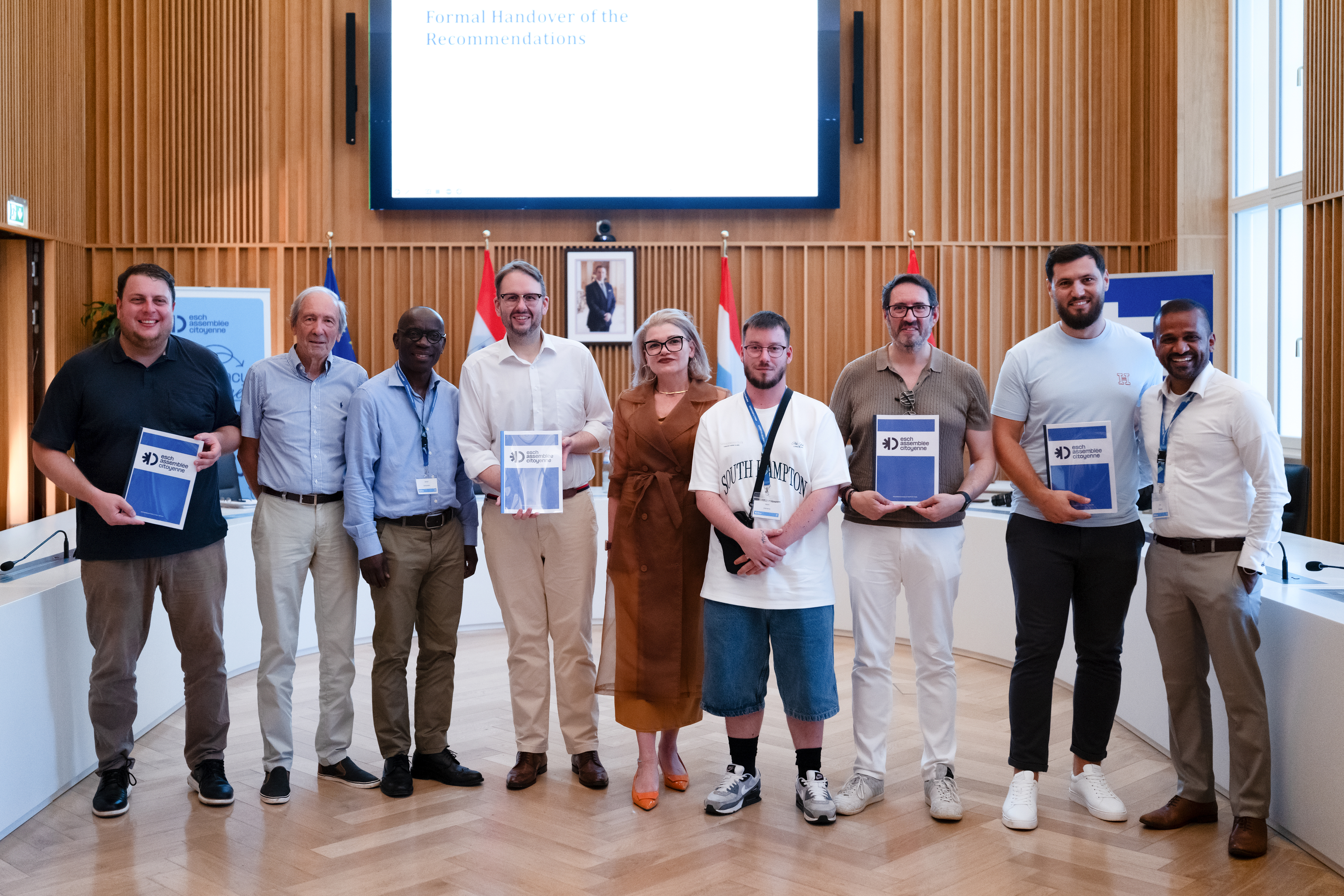
Assembly members delivering recommendations to Mayor Christian Weiss and Alderman for Public Participation Bruno Cavaleiro Photo credit: Ville d’Esch-sur-Alzette
Institutional commitment also needs to continue after the assembly has wrapped up. Every organiser we spoke with said the same thing: once the assembly finished, their work was only half done. Recommendations rarely fit neatly into a single municipal department, and even if they do, without prior clarity on who is responsible for integrating them, implementation can stall. Internal alignment on the purpose of the assembly and the status of its recommendations must be established before the assembly starts, not after.
A clear follow-up timeline, or a formal commitment via a memorandum of understanding, provides essential structure and clarity. In Deschutes, a follow-up committee of assembly members met with decision makers at six and twelve months after the assembly concluded. In Kerewan, several assembly members joined one of GGWF's working committees directly, linking their recommendations to ongoing projects. In Vilnius, the municipality committed to giving regular updates on the status of implementation throughout 2026. They’re doing this via a dedicated page on the assembly website including a recommendations monitoring report. This will be updated again in December 2026. In Esch, the city council has set aside funding to integrate as many of the recommendations as possible into the 2027 municipal budget. In autumn 2026, they will vote on the budget and publicly communicate via their assembly website which recommendations will move forward and which will be integrated into the 2028 budget.
3.1.2 Democratic infrastructure is strengthened by cultivating ecosystems and building practitioner capacity
Our goal was to build the necessary knowledge, skills, relationships, and institutional confidence amongst a network of local and regional organisations. We’ve seen that cultivating ecosystems acts as a catalyst for the sustainability of this work. Part of this cultivation involved connecting partners to local practitioners and regional/international networks of people working in deliberative democracy, while supporting them to develop their own contextualised assembly process.
In Deschutes, a new organisation has been established as a result of the collaboration. DemNext helped to incubate COCAP, which has now grown into a county-wide civic engagement organisation. This high level support for the assembly resulted in the non-partisan regional body, the Council of Governments, fiscally sponsoring COCAP, granting it cross-partisan credibility and institutional connections across the region. Josh Burgess and the COCAP team now have the knowledge and skills to organise more assemblies and have convened community leaders across the region to make the case for collaboration and sustained funding. The knowledge developed through this collaboration isn't just staying at the local level, Deschutes is now sharing its experience with others, and has become a learning site for civic leaders across Oregon and the US wanting to do the same.
In The Gambia, lessons from delivering this process are being applied by GGWF while also inspiring other practitioners across Africa. During the assembly design workshop, GGWF designed a process rooted in their context and experience while experimenting and innovating certain assembly design choices. For example, they designed and tested a novel and practical approach to running a sortition process for selecting assembly members – a three-stage selection method that included travel to 42 villages to ensure there was representation from across the entire North Bank Region of The Gambia. Facilitators and GGWF now have the knowledge of how to do this again in the future, along with the skills and tools they co-developed with Shared Future to deliver deliberative processes in The Gambia. As mentioned, it has even become a direct reference point for the 2026 climate assembly in Cape Town. The knowledge built locally is already informing a next assembly on the continent.
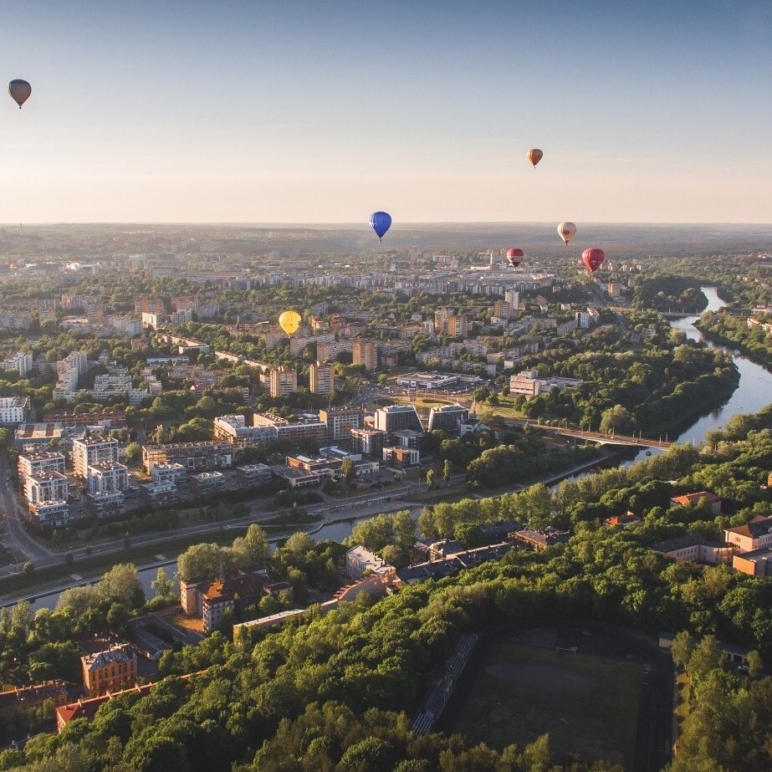
In Vilnius, we are already seeing the impact of this first assembly. Beyond the impacts of the regional facilitation workshop described earlier, key municipality staff now have the knowledge and capacity to organise assemblies, and they are considering ways in which to implement assemblies regularly. The project lead within the municipality, Beatričė Umbrasaitė, has become an internal advocate and a key resource for the city as decision makers consider how to make this a regular part of their engagement approach. The Vilnius assembly also catalysed a direct connection between Nordic and Baltic democracy practitioners for the first time to share lessons between them.
In Esch, the skills and capacity to deliver and evaluate citizens’ assemblies was already present within the broader context of Luxembourg. However, by intentionally connecting to and collaborating with key people and organisations while building the municipality’s capacity to organise the process, a stronger Luxembourgish ecosystem of deliberative democracy practitioners is emerging. Representatives from neighbouring municipalities were also invited to the recommendation handover event in an effort to spark their interest and to learn from Esch’s experience.
As a result, we’ve started to see the effect of taking gradual, intentional steps towards building democratic infrastructure - through capacity building and cultivating an ecosystem of dedicated people to take the work forward. The challenge is to sustain this momentum, implement a model for institutionalisation while adapting it and continuing to learn from future assembly iterations, while sharing these lessons with others wanting to do the same.
3.1.3 An institutionalisation approach tends to make the relationships between people in power less antagonistic and breaks down civil service siloes
The work to garner widespread cross-partisan and cross-departmental support for establishing a citizens’ assembly ends up having other knock-on effects beyond those described in the previous section. The collaborative work across party lines, between the government and opposition, to establish the assembly as well as during key discussion moments regarding its remit ends up leading to a more collaborative working relationship than is typically experienced on party-specific issues.
Similarly, civil servants are typically used to working in their department. In one-off assembly processes, recommendations often end up being geared towards various department areas separately, and each then responds and implements independently. However, the institutionalisation approach ends up leading to greater cross-department collaboration.
For instance, in Esch, the city’s General Secretary, as well as colleagues from the departments of urban planning, social cohesion, and environment, all came together to collectively define the remit, along with city councillors from both the government and the opposition. In doing so, they ended up crafting a remit that touches on all of their portfolios and would lead to a first joint strategy amongst their departments, rather than each of them taking on the assembly’s relevant recommendations in a siloed way. Working on this assembly brought colleagues together - including the city’s communications team - over the course of these past two years, enhancing their working relationships. Similarly in Vilnius, the Chief City Architect’s team came to work in much closer collaboration with the Mobility Department in preparing the assembly together.
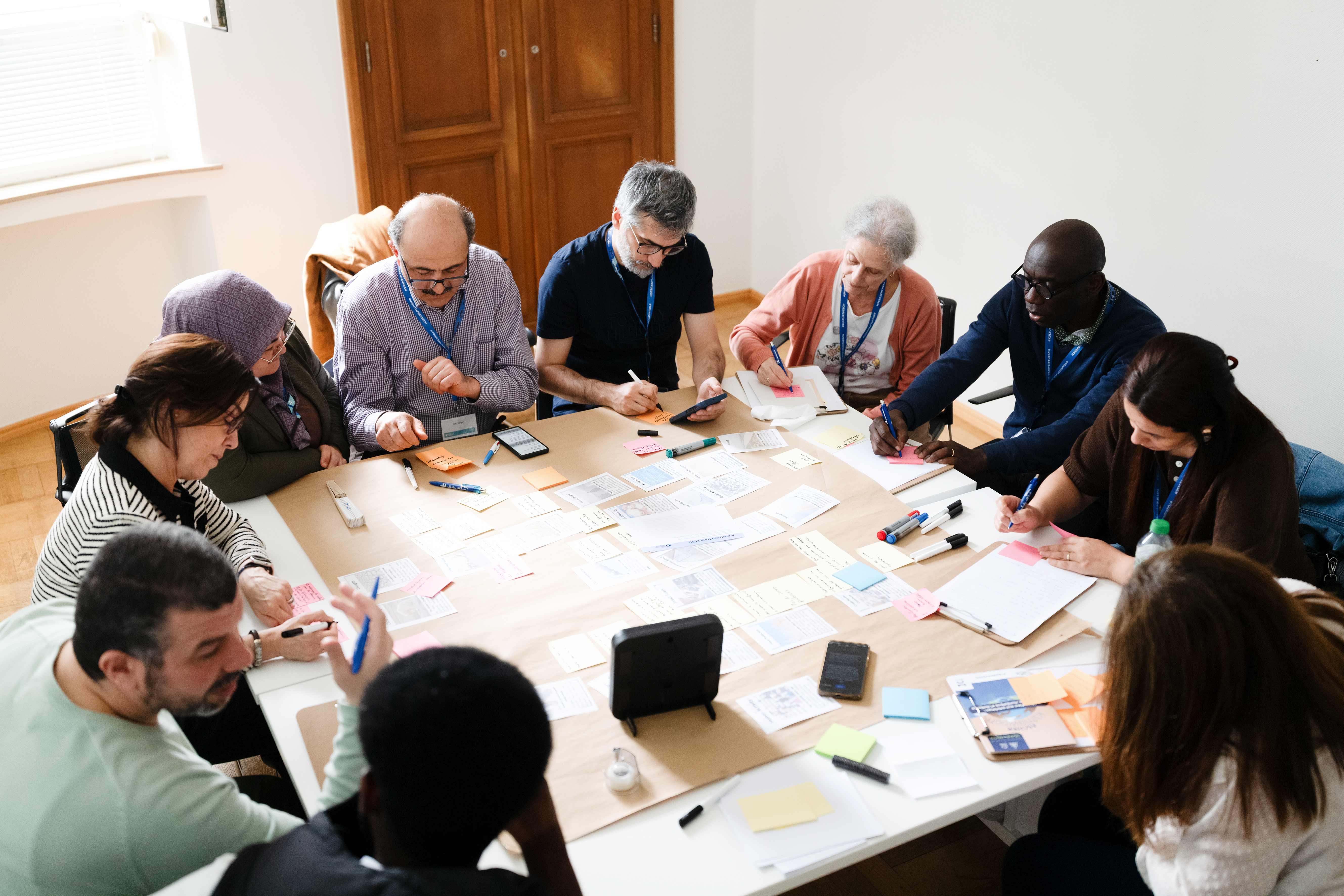
[images]
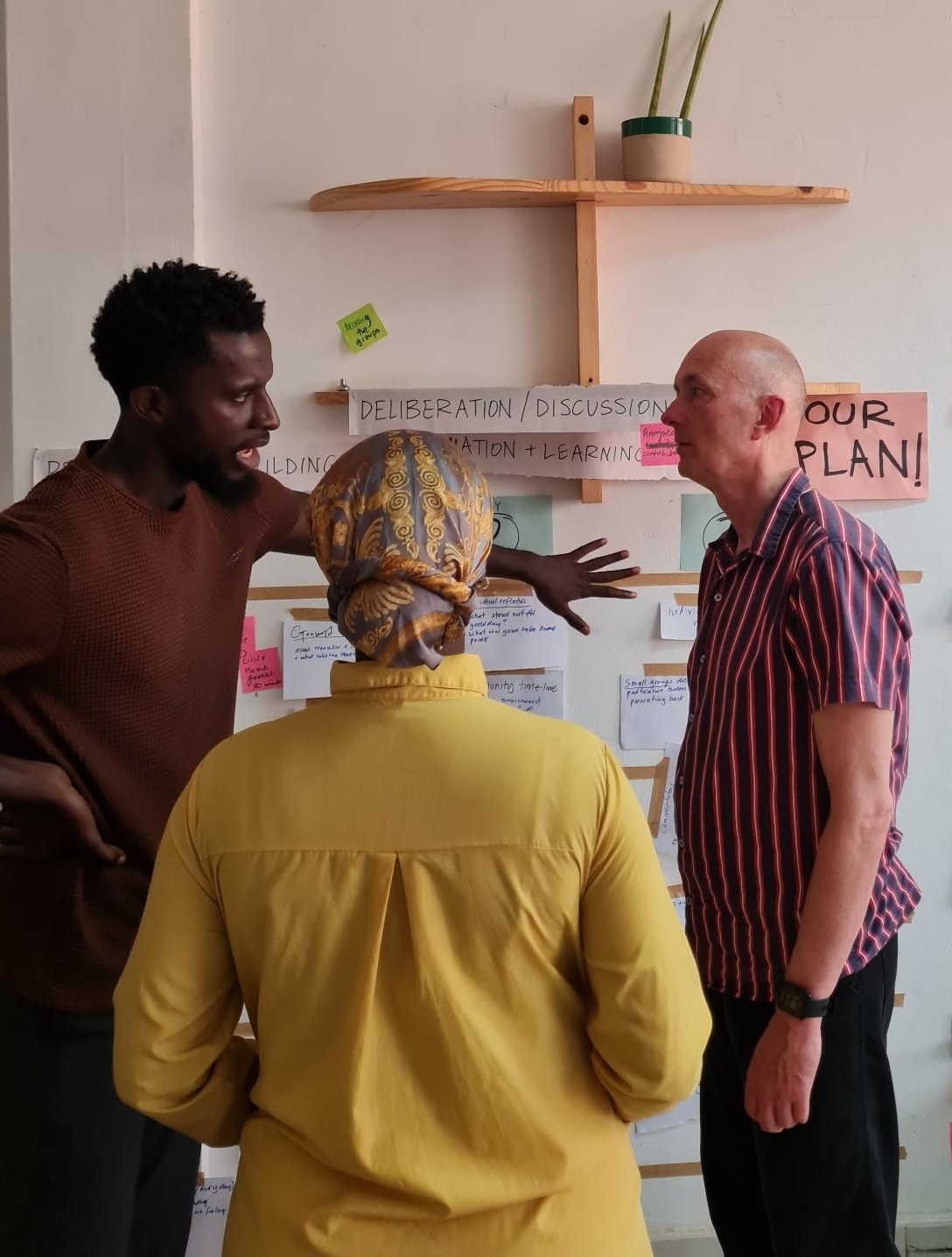
Design workshops with civil servants in Esch-sur-Alzette, and VIlnius. Photo credits: DemocracyNext
3.1.4 Communications is an investment that benefits more than a single assembly
Never underestimate the power of a good story - which is why a solid communications strategy is always essential. When simultaneously managing the assembly logistics, procurement processes, and political relationships, a communications campaign is easy to overlook or leave until the end. A regular and purposeful drumbeat of thoughtful communications shapes public awareness of, and trust in, the assembly, and can impact how many people respond to the invitation. It also communicates that decision makers want to be transparent and take the process seriously. The narrative about institutionalisation also signals to people that this is about lasting change to build democratic infrastructure and shift power, not just a one-off event.
This is especially important for a first assembly, as it sets a precedent for the future. It can also catalyse a shift in the norms and expectations around engagement and is a chance to educate the public on assemblies in general. Across all four partners, we saw how their communications strategies impacted invitation response rates, attracted interest from the press, and affected public awareness of the assembly.
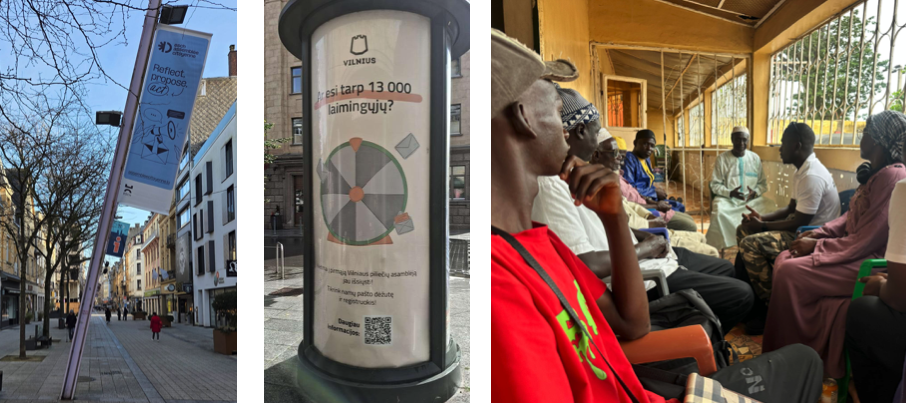
Communications has a different job at each stage of the process. Before the assembly, organisers need to ensure that through building public awareness, people will respond to the invitation. In Deschutes, organisers ran strong outreach campaigns via traditional media but had almost no social media presence. They identified this as a point to improve in future assemblies, and wondered if overlooking social media was a factor in a lower than expected response rate, (which was 2.5%). In Vilnius and Esch, social media campaigns ran alongside physical communications materials including posters, banners, and chalk drawings at bus stops, and both cities saw strong response rates (5-6% on average). There was also extensive local and national press coverage in the lead up to Deschutes’, Vilnius’, and Esch’s assemblies.
In The Gambia, a communications campaign before the assembly took a different form. Over three days, GGWF visited 42 villages across the North Bank Region to conduct the sortition process. This was, in itself, an effective way to build awareness about the assembly across the region with hundreds of people. Randomly selecting five potential assembly members in each village, GGWF organisers sat and met with people in every village to explain what the selection was for, and why the assembly was taking place. In the end they had a pool of 210 people who knew about the process. Ultimately, 30 assembly members were selected. Only seven people declined but organisers contacted replacement participants matching their demographic profiles.
[images]
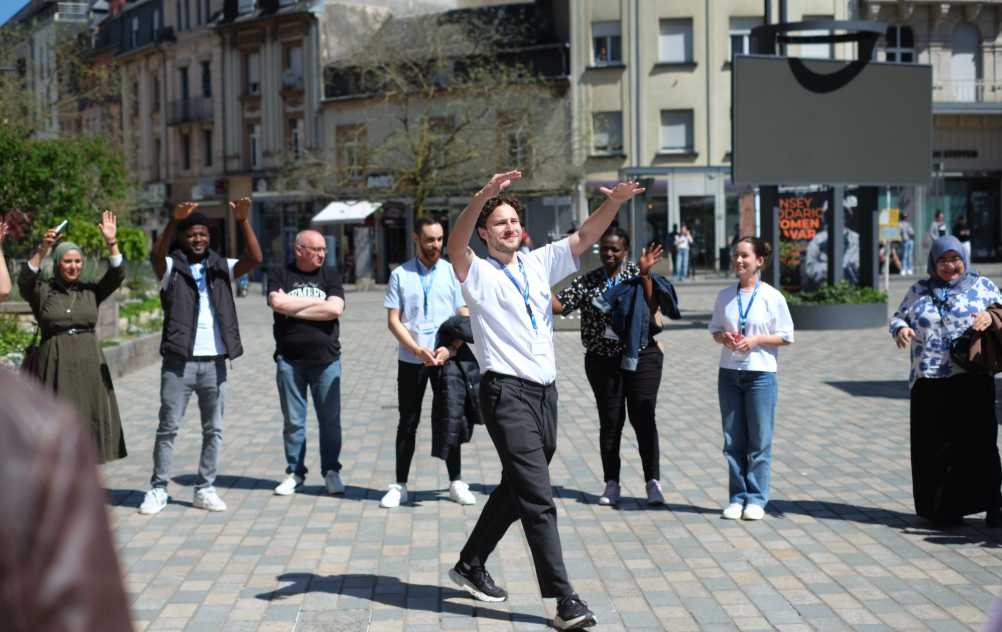
In Esch (left), flags and temporary street graffiti advertised the assembly while in Vilnius (centre) posters were installed informing citizens to check their mailbox during the week invitation letters were sent out. (Right) Kerewan Assembly organisers meeting with people during sortition process. Photo credits: DemocracyNext, Vilnius Municipality, & Great Green Wall Frontline Initiative
During the assembly, the challenge shifts. Without active communication, a process designed to be open can quickly feel like decisions are being made behind closed doors. Regular updates, photos from sessions, and live-streaming counter this. Deschutes streamed the sortition process and every plenary session. Two years later, it’s still possible to watch the footage on YouTube. We also learned about the value of having journalists follow the assembly process. When they have the opportunity to observe, report on the stories of assembly members, and witness the full arc of a citizens’ assembly, their reporting can offer deeper insights. The same goes for videographers. In each of the assemblies, short videos were made by local videographers to capture key moments while interviewing assembly members and organisers. This makes it easier to capture the atmosphere and perspectives of those involved, and can then inspire others.
After the assembly, it’s essential to communicate the impact it had. In Deschutes, local media outlets reported on the success of the assembly immediately following the recommendation handover. They have also remained interested in the developments of COCAP and recently reported on their Civic Action Summit. The New Yorker even covered the story, highlighting it on the national and international stage. In Vilnius, we can tangibly track the impact of a strong communication strategy. A city-wide survey was conducted to assess the general public’s awareness of citizens’ assemblies before and after the assembly took place. According to the evaluation report, ‘awareness of citizens’ assemblies as a means for residents to participate in municipal or national decision-making increased by 10 percentage points, reaching 24% of city residents’ (Bortkevičiūtė & Petronytė-Urbonavičienė, 2026). The recommendation handover was also open to the public and live-streamed, while the Lithuanian journalist collective, NARA, published a longer article on the assembly written by a journalist who had followed the process from beginning to end. In The Gambia, the press were invited to the handover to cover the story. GGWF also paid for radio spots on local radio stations to disseminate news about the assembly. After the assembly, leading with human stories - for example personal stories of who the assembly members were and what changed for them - is what can make the process land with a wider public.
A successful communications campaign builds public familiarity with what an assembly is, how it works, and why it's legitimate. Building the community's understanding is not only an investment in public awareness but also generates excitement about the next time they might find a letter in their mailbox.
3.1.5 Independent evaluation is essential in contexts of institutionalisation
Independent evaluation ensures that there is learning to inform iteration over time, allowing for continuous improvement as institutionalisation doesn’t mean anchoring one approach forever. Moreover, without an independent evaluation, a citizens' assembly might be more exposed to partisan attacks, accusations of bias, and leaves organisers without a third party record of what worked and what didn't. Reassuring assembly members and the wider public that the process is legitimate requires more than good intentions. It requires evidence, produced at arm's length.
For each assembly, we sought out academics at local institutions to carry out the evaluation at arms’ length from us and the facilitation teams. They have existing knowledge of the context and enough distance to examine the process honestly and critically. It also builds local capacity for evaluation beyond the first assembly. For cities serious about institutionalisation, evaluation is not just useful, it is the foundation for what comes next.
Evaluators in each context were asked from the outset to assess the assembly as well as the conditions and possibilities for making citizen deliberation a permanent feature of local decision making. That framing informed what they look at and surfaced the structural barriers and enablers to institutionalisation which makes their findings far more actionable for future iterations.
Evaluation also travels. The evaluation of the North Bank Region Citizens' Assembly in Kerewan generated lessons relevant across African contexts, and has already been shared with organisers designing the first assembly in South Africa. It also informed the research behind a DemocracyNext commissioned paper on deliberative democracy in Africa - the first time assemblies have been systematically compared across African contexts. That kind of reach only happens when evaluation is treated as part of the programme, not a box to tick at the end.
3.1.6 Catalysing long-term systemic change requires funding for capacity building and network weaving, not just the assembly
Catalysing a deliberative ecosystem in a city or region requires an investment into the variety of actors needed to make deliberative practices an embedded part of how decisions are made. Foundations and funders have a distinct role to play in reshaping this landscape and this requires a different approach, one defined by patience, trust, and a willingness to measure success over years rather than short term milestones.
Each partner delivered their assemblies with drastically different budgets ranging from approximately $25k-350k. Additionally, there was a cost for the investment in DemocracyNext’s time over an 18-24 month period to support each project throughout delivery, and in the year of lead-up work of convening an International Task Force on Democratising City Planning, co-writing and publishing the Task Force’s recommendations, planning and launching the call for proposals, conducting the selection process, laying the groundwork for the learning programme, and developing our Assembling an Assembly guide, which would serve as an internal resource as well as being widely shared to enable the field (35k views at time of publication).
Each assembly was funded in different ways. In Deschutes, a mix of private donations and foundation support from a consortium of funders enabled the assembly to take place, with national and local fundraising principally led by DemocracyNext. It was extremely challenging to pull together the necessary funding to enable the assembly to go ahead, particularly because local or regional governments did not contribute to supporting it financially. In The Gambia and Vilnius, assembly costs were supported by the National Endowment for Democracy (NED). In The Gambia, this amount covered the entirety of the assembly costs, while in Vilnius, the municipality covered the majority of the costs, with support from NED to hire evaluators. In Esch, the costs were covered entirely by the municipality. While we ensured that each collaboration involved an investment in capacity and network building, the hard costs of running future assemblies need to come from somewhere, usually requiring commissioners to divert funding from other budgets, and/or seek external funding.
This speaks to a tension worth naming in the funding landscape: the relationship between philanthropic and government funding. We see a stronger case for philanthropic funders directing resources toward capacity building, whether in catalyst organisations or in developing practitioners across the field.When that ecosystem infrastructure exists, governments are better positioned to fund deliberative processes directly, without having to cover the additional costs of building the capacity to run them.
3.1.7 Technology should be integrated early, rather than as an afterthought
Deliberative technologies (DelibTech) are being deployed in new ways to enhance deliberation and to strengthen people’s capacities to deliberate (Chwalisz, McKinney, Theuns & Yi, 2026). We are beginning to see tools that could meaningfully change the way in which citizen deliberations are designed and facilitated. We lightly experimented with DelibTech in the context of these four cases, but share our initial learnings and some wider reflections based on broader work our team is doing in this space.
In Deschutes, we partnered with the MIT Center for Constructive Communication to pilot recording the entirety of the citizens’ assembly – including the small group deliberations. While recorded plenaries have been common for quite a while, it is unusual to record the small group conversations. At the time, as far as we know, this was the first time this had been done, especially during an in-person deliberative assembly.
We faced a mix of logistical and political challenges. It was our oversight not to include information about the partnership with MIT in the invitation letters that were sent out to Deschutes County residents. This meant that we had an additional challenge of explaining that deliberations would be recorded, the reason for doing so, how it would work, who would have access to the recording data, and how that would be used to inform research. We therefore also gave assembly members the opportunity to opt out of their data being included in the recordings and transcripts, and two assembly members decided to not give their consent.
On the logistical side, we used a recording method involving individual microphones with a lot of manual work to upload audio files. At the time, transcription took much longer than it does today. With the missing contributions from two assembly members, we did not end up having a full recording available. The extra work involved to redact all contributions by those two assembly members took an extraordinary amount of time and also meant that we were not able to create a public-facing portal with the assembly’s outputs, as initially intended. In short, we invested a huge amount of time and effort into this endeavour with good intentions, but which ultimately led to no public-facing outputs. Those lessons were learned and integrated into future projects with both partners - in an MIT CCC Student Assembly shortly thereafter, the process was much smoother.
In Esch, we took note of these lessons and partnered with Cortico to support a parallel conversation instead. Student facilitators, hired by Cultures of Assembly, worked closely with Cortico to design and facilitate three in-person conversations with students from the University of Luxembourg. The campus, located on the edge of Esch has a disconnected relationship with the city and many students do not live in the city. Instead, they commute from the surrounding areas. For this reason they also didn’t have the opportunity to be selected for the citizens’ assembly. The intention was to capture their take on life in Esch and how they relate to the city, with the resulting stories, perspectives, and insights serving as part of the evidence base during the learning phase of the citizens’ assembly. Some of the participating students also presented to the assembly members in person, ensuring that student voices were considered in their final recommendations. Each conversation was recorded and uploaded to Cortico’s AI-supported platform so that the facilitators could analyse, highlight, and make sense of what was said. The result is a public portal that anyone can access to hear highlights from these conversations.
Student conversations taking place at Cultures of Assembly space on Rue Brill in Esch. Photo credit: Gustav Kjær Vad Nielsen
Additionally, facilitators, Snakke & Co. experimented with the integration of Dembrane which makes recording and analysing conversation data much easier. The platform runs on a smart phone placed in the centre of small group discussions, connected to a sophisticated backend by scanning a QR code. This enables real time analysis of the conversation data and does not identify individual speakers. It listens to, transcribes, and synthesises conversations, freeing facilitators to guide discussions rather than keep extensive notes. Written transcripts create a record of what was discussed while facilitators, organisers, and evaluators can interact with them via Dembrane’s platform to analyse the conversations. The outputs produced by Dembrane are never the final product, rather serving as a starting point for reflecting back on the conversations and critically judging whether anything is missing or feels off. In the context of Esch, using Dembrane also significantly aided the multilingual nature of the assembly process. While there was no opposition from assembly members, the lesson again was that we should have communicated upfront about the assembly being recorded in the invitation letters, but in this instance, the decision to integrate Dembrane was taken after the letters were sent.
Assembly members deliberating in small groups while Dembrane transcribes their conversation using a smartphone placed on the table. Photo credit: Ville d’Esch-sur-Alzette
Through both examples, we learned that integrating technology into a facilitation team’s workflow requires time, trust building, and experimentation. We connected Snakke & Co. with the Dembrane team months before the assembly kicked off, which gave them time to test the platform in their team meetings where they switch between Luxembourgish, French, German, and English - similar to what would occur in the assembly. With time to get used to the platform, troubleshoot, and clarify concerns with Dembrane, Snakke & Co. felt confident about integrating it.
It’s also a lesson on integrating the right tool for the right process. While Cortico is best suited for many individual small group conversations taking place over a longer period of time, Dembrane has proven more suited to the pace and number of small group discussions taking place at the same time in a citizens’ assembly.
For cities working toward institutionalisation, technology used well makes the process easier to deliver, improves the quality of deliberation for assembly members, and creates the opportunity for voice-based outputs and a reliable source for researchers and evaluators, making it harder to dismiss. A record of deliberation builds transparency and community trust over time, while reducing some of the work that does not add extra value for facilitators.
3.1.8 Multilingualism can help create a sense of belonging and a feeling of solidarity between assembly members
To ensure that an assembly is inclusive and representative, organisers and facilitators sometimes face the challenge of integrating multiple languages into the process. This may vary from interpretation for a few assembly members between their native tongue and the primary working language, to delivering the assembly in two or numerous languages entirely. It is context dependent, but it’s a crucial design consideration that should not be overlooked. The ability to communicate, to understand, and be understood is fundamental for assembly members to deliberate, share their perspectives, and reach consensus on recommendations.
In Deschutes, the assembly took place in English. While interpretation and auditory/visual assistive technologies were available for members whose primary language was not English, it was not needed during this particular case. Regardless, communicating clearly from the outset that the option for assistance is available opens the door to assembly members who otherwise might not partake.
From left to right: Assembly members in plenary discussions using interpretation devices and Google Translate. Interpretation taking place in two ways. One between an assembly member and their partner, translating from French to Turkish, another of interpreters from ASTI translating to French from Luxembourgish. Photo credit: Gustav Kjær Vad Nielsen
The Esch assembly was a multilingual process and involved three primary working languages (Luxembourgish, English, and French) while interpretation between Turkish and Arabic to French was also included. We decided early on that to be inclusive of Esch’s diversity, all communications materials including the assembly website, invitation letters, videos, and social media posts would be available in the five main languages spoken in the city - Luxembourgish, French, German, Portuguese, and English. We also decided not to select a single working language but rather adapt to the languages spoken by the assembly members. Doing so set the tone from the outset - that residents with diverse backgrounds speaking different languages belong in the room. Assembly facilitators were well prepared as their team includes native speakers in German, Luxembourgish, French, English, Dutch, Italian, and Portuguese, and all of them speak at least one or two other languages. In this context, selecting a single working language before the assembly would have discouraged people from joining and sent a message about who is invited to be part of the process. We discuss this in greater detail in a reflection piece on multilingualism in the Esch assembly (MacDonald-Nelson and Terry, 2026b).
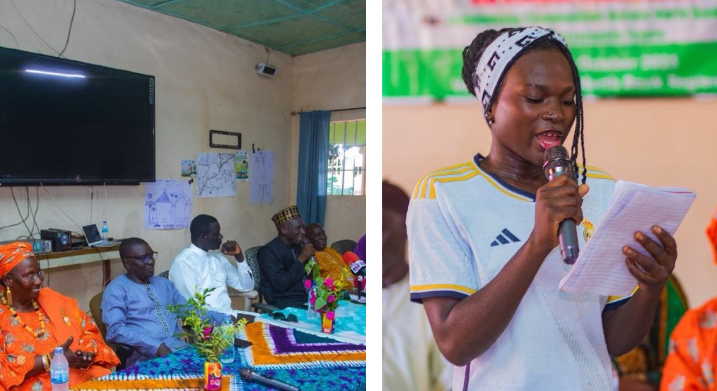
Left: A translator live translating during the Vilnius Assembly Photo credit: Paulina Janušaitė Right: Facilitators in Kerewan frequently switched between Mandinka and Wolof during deliberations. Photo credit: DemocracyNext
In Vilnius, the assembly took place in Lithuanian but organisers provided interpreters to translate into English, Russian and Ukrainian. With large groups from Belarus and Ukraine in Vilnius, organisers knew that assembly members would likely include people from these communities. In this context, where linguistic diversity is not as common as in Luxembourg, it made sense to select one working language. At the same time, it was still possible, and ultimately more inclusive, to accommodate two additional languages for a few assembly members. Including interpretation to Ukrainian was particularly important given the influx of new arrivals to Vilnius since the outbreak of the war.
In The Gambia, facilitators worked in three languages - Wolof, Mandinka, and English. Wolof and Mandinka are indigenous languages to that part of West Africa and are widely spoken across The Gambia. English is also an official language and often used for official purposes. During the assembly, facilitators consistently switched back and forth between Wolof and Mandinka while drafting the outputs of each session in English. In The Gambia, it’s fairly common to switch between languages in such a way and was necessary to ensure the representativeness of the assembly.
The power dynamics inherent in selecting a working language for the assembly shouldn’t be underestimated either. It’s worth asking, are there arguments or points of view that translate across languages? If an assembly member is less comfortable in the working language of the group, what does their silence mean? With the Esch assembly in particular, we learned from the evaluation that multilingualism helped to create a sense of belonging and strengthened the feeling of solidarity between residents from different backgrounds. This is not only valuable in terms of impact, but contributes to a sense of social cohesion by creating a shared political space where people from different backgrounds can recognise each other as from the same community - something that doesn’t always happen outside of these kinds of processes.
3.1.9 Conclusion
There are many more reflections we could have included about the logistics of delivering the programme, but it’s our hope that by sharing these high level insights, we can inspire and help those wanting to catalyse change in their own contexts. How we build capacity, convene, communicate, evaluate, fund, innovate with new technologies, and design for inclusion all play a role in cultivating new forms of democratic infrastructure. In the following section we highlight one of the most significant aspects of an assembly - the impact on the people involved.
Esch assembly members working together during one of assembly sessions. Photo credit: Ville d’Esch-sur-Alzette
4. Impact is not confined to policy
4.1 The impact an assembly has on its members is significant
Across each assembly process, we kept coming back to one important question: what does this process do for the people taking part? They spend around 40 hours together, learning, deliberating, questioning, and deciding together. They meet people they would likely otherwise never encounter. They hear from perspectives that challenge their own. They learn about a topic they might not have had any knowledge in before. They get a chance to share their own stories and listen to the stories of others. They get the opportunity to actually impact how a decision is made. This brings people together in a way not many other processes can.
“The assembly was very special for me, I came here not only to represent the opinion of the citizens, but also to find an argument for myself to change my habits.”- Vilnius assembly member
“Because none of us chose ourselves, nobody felt higher than the other. That made people speak freely.” - Kerewan assembly member
"This is the first time in my life that I ever felt like my voice mattered..." — Brenda, Deschutes assembly member
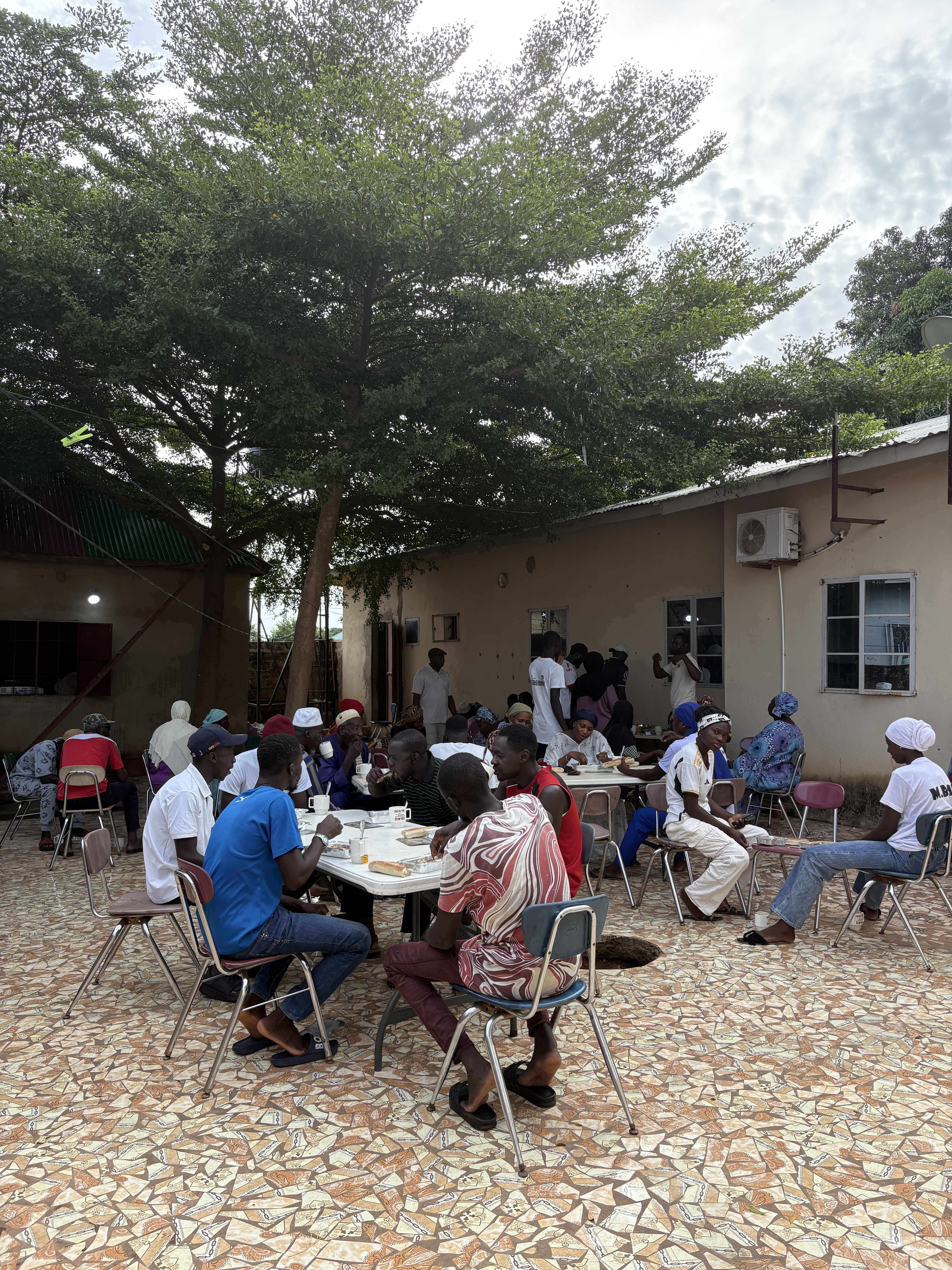
In The Gambia, assembly members spent five days in a row together, sharing each meal and getting to know each other informally, exchanging stories and perspectives before and after daily deliberations. In Deschutes, when following up with assembly members, Josh Burgess found out one assembly member quit her job and shifted her profession to working on the topic of homelessness because of her experience in the assembly. When interviewing assembly members from the Esch-sur-Alzette assembly we heard that they felt more excited and empowered to participate in community life, and one said that the process had humanised his view of the municipality. In Vilnius assembly members expressed greater confidence in their ability to engage in decision-making and a stronger willingness to engage in decision making processes. In an interview with evaluators, one member expressed that the assembly prompted them to take a greater interest in what their eldership (ie. subdistrict) is doing, what decisions are being made, and who their representatives are.
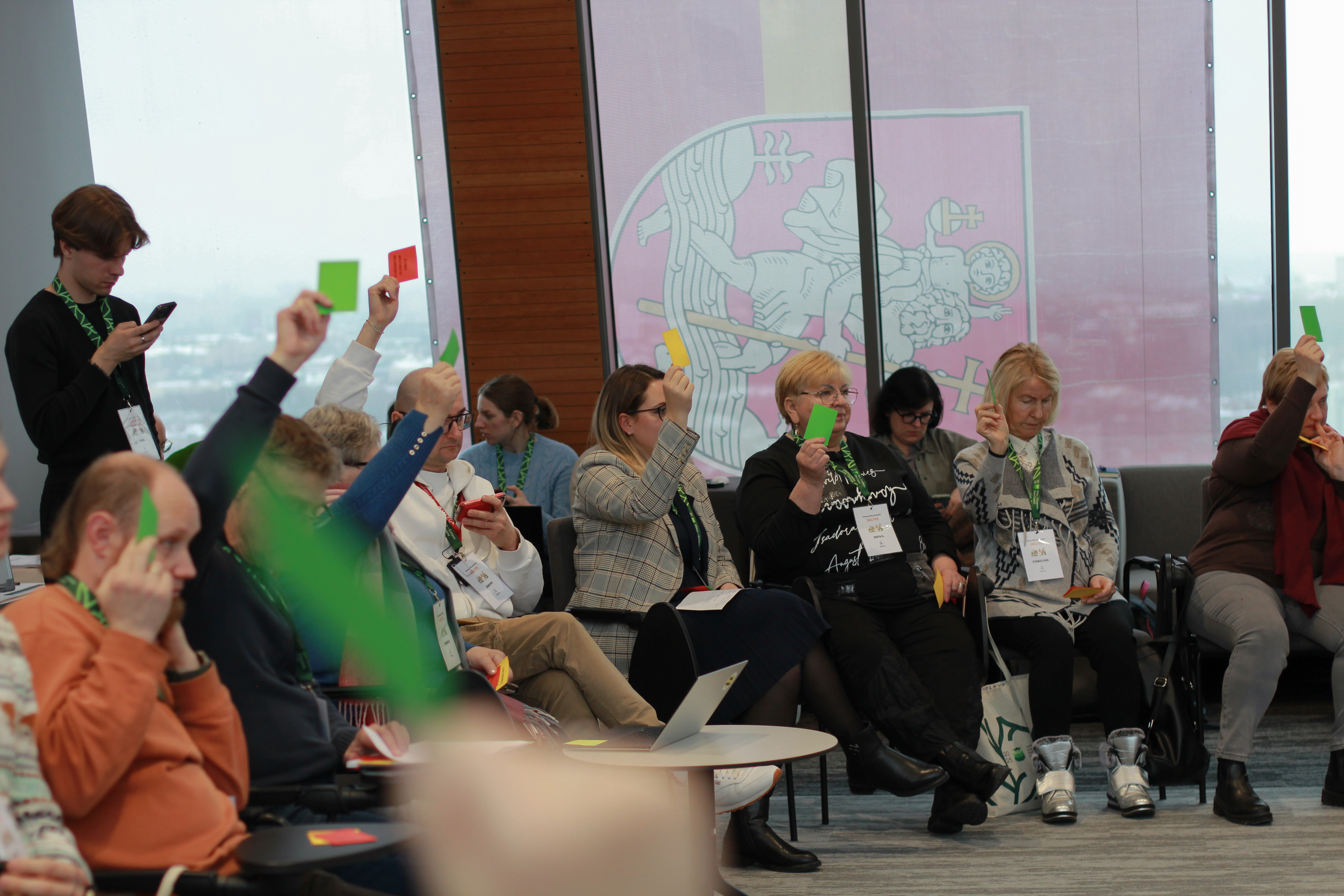
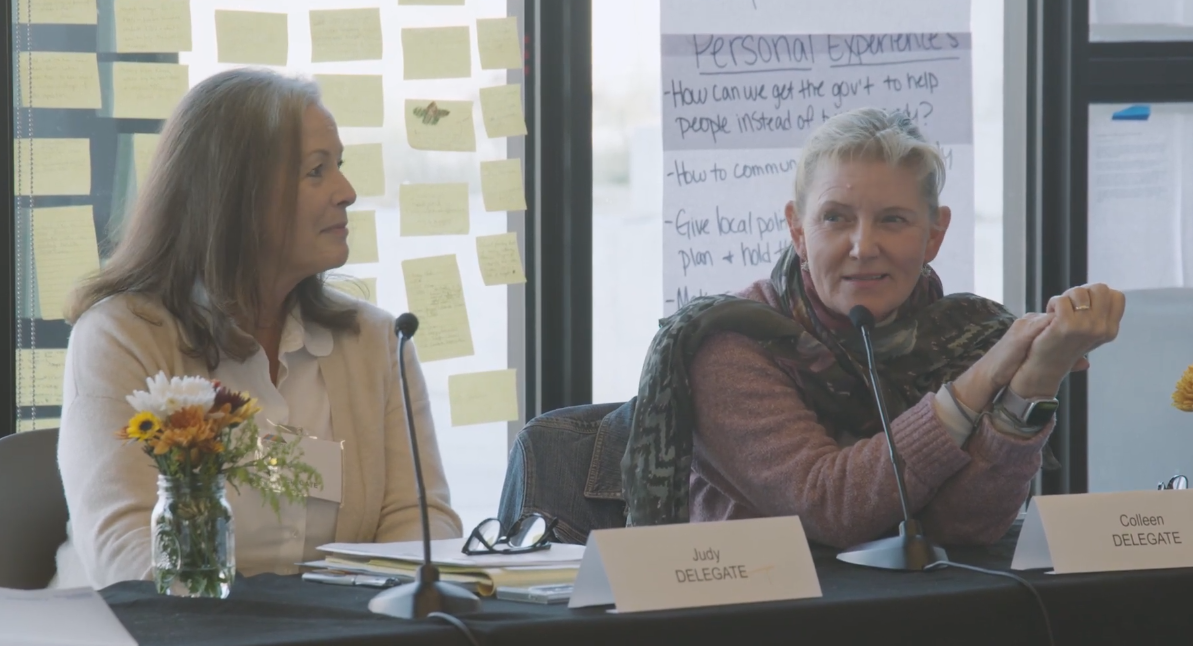
Esch assembly members outside in front of the Esch’s City Hall Photo credit: Ville d’Esch-sur-AlzetteAssembly members in Kerewan sharing lunch together. Photo credit: DemocracyNextVilnius assembly members voting on the final recommendations Photo credit: Paulina JanušaitėAssembly members in Deschutes sharing their reflections during the closing session. Screenshot from video of assembly process
Assembly members also become ambassadors in their community, spreading the word about assemblies. There’s something more tangible when you meet someone who was involved in the process, we all know there’s no greater marketing strategy than a direct referral. We asked an assembly member from Esch whether his friends or neighbors knew about the assembly. He said they hadn't, but he made sure to keep them updated, educating them about what an assembly was, and coming back after each weekend with updates on their progress. He said it was a once-in-a-lifetime opportunity, so of course he told those around him. Now, they say they're interested in getting a letter themselves.
4.2 Assembly members aren’t the only ones affected
The impact of an assembly does not end with its members. Behind every session are the facilitators, organisers, volunteers, and support staff whose work makes deliberation possible, and who are often quietly transformed by what they see.
In Deschutes, as the final session got underway and assembly members began presenting their recommendations, the volunteers and venue staff filed into the room to listen. People also shared heartfelt reflections on how this process impacted their lives. In Vilnius, volunteers rotated and worked half days, stayed late to reset the room and prepare for the next session and built real connections with each other over the course of the process. On the final day, there was laughter, and tears, as they said their goodbyes. In The Gambia, assembly members were hosted for five days at a lodge where support staff also stayed, giving everyone a chance to get to know each other more deeply - from the cooks preparing food for the members, to the guest speakers who spent the night after the assembly session, to the facilitators, organisers, and evaluators.
An assembly is designed around its members, but it naturally involves many more people. Those who work behind the scenes frequently leave carrying something too: a renewed sense of what is possible when people are genuinely given the chance to shape decisions together.
From left to right: Observers following the assembly in Vilnius and volunteers assisting during the Vilnius assembly Photo credit: Paulina Janušaitė
4.3 The civic impact of assemblies extends beyond the final session
These impacts do not end with the assembly. Conversations between Josh Burgess (in Oregon) and assembly members nine months after the recommendation handover found that they were more trusting of their neighbours, more willing to work through problems with people very different from themselves, and feeling that their voice mattered for the first time.
In The Gambia, the evaluation found that the assembly dramatically increased civic confidence and engagement amongst its members. One assembly member reflected that the process “helped people feel that their voices matter in shaping solutions.” The diversity of the group also had a valuable impact on assembly members, who said that sortition brought in people from different communities and backgrounds, making the conversations richer.
The Vilnius assembly members also highlighted something different: a heightened sense of responsibility toward the city, and a genuine desire to have lived up to what was asked of them. They appreciated how organised the process was, it signalled to them that the municipality cared about the outcome. What emerged from these accounts is not just personal change, but a new quality of relationship between citizen and government, one built on the experience of being trusted with real decisions.
This points to something worth tracking more systematically. Assemblies that become a more regular feature of democratic life create the conditions for richer data on civic impact, and for understanding what sustained participation does to people and the city over time.
The assembly members were also eager for this to become a more regular form of decision making in their communities. One assembly member from Vilnius put it: “I would definitely want to see this happen again. And beyond just Vilnius, in schools, and boards where decisions are usually made by a small group of people.I hope the municipality is ready to keep doing this.”
5. Recommendations
5.1 For cities considering first-time assemblies
A long-term goal to catalyse a thriving deliberative ecosystem is a lasting legacy that outlives a one-off citizens’ assembly process. Starting with the mindset that this is not a one-off process opens up space to learn, build skills, and invest in the infrastructure that makes an embedded model possible. It leads to catalytic ripple effects. With this, it’s possible to create the conditions for a dedicated team of people, to deliver a successful communications campaign, as well as reusable templates for future processes across many issues. It also creates a knowledge base and materials to support other organisations in your city like museums, universities, schools, and others, who would like to do the same. The learnings from these first experiences are invaluable, they should be well documented, shared openly, and used to inform future assemblies.
Build widespread support before you start and ensure it is a cross-partisan endeavour. The coalition of people who are engaged before the process kicks off should be broader than direct stakeholders, or the ones receiving the recommendations. Reaching out to opposition leaders, civil servants, and community leaders, is not only necessary in developing support for this assembly, but also investing in the possibility of future assemblies more directly related to their interests, which they might one day want to commission themselves.
Intentionally cultivate an ecosystem of people and organisations to support, advocate for, and deliver assemblies. Supporting democratic innovation means building capacity, networks, and creating the conditions necessary for scaling. If you are a local organisation wanting to implement citizens’ assemblies with the goal of institutionalisation, connect with, and beyond, those working on engagement processes. A diverse coalition of supporters and advocates is crucial for the health of this ecosystem to sustain momentum beyond a first assembly.
Invest in in-person workshops and convenings. While technically everything could have been carried out online, we prioritised meeting in person. For facilitation and design workshops, this was essential for us to connect with the implementation teams. Convening larger groups of practitioners, including those working outside the context of each partner, also proved to be fruitful in building connections that would last beyond the first assembly.
Experiment with technology. While we don’t believe facilitators should be replaced by AI (see Chwalisz et al., 2026), there are tools like the ones we’ve mentioned above that genuinely helped the process. It gave facilitators the ability to work across several languages at once while synthesising small group discussions in a clear and concise way. It didn’t change the job of the facilitators, but created opportunities for them to track and compare the conversations happening at once in the assembly. This makes it easier to catch things that might otherwise be missed or forgotten about.
5.3 For funders of deliberative democracy
If funders are serious about scaling deliberative democratic innovations and broadening who has power, then they must dedicate more resources to capacity building and ecosystem development, not just one-off processes. Deliberative democracy requires time to take root, anchor, and instigate change. Grants that also fund ecosystem development, capacity building, and convenings are crucial to this. We call on funders to broaden their investment priorities beyond process delivery, and to reconsider how success is measured – not by the number of assemblies funded, but by the long-term development of the actors, institutions, and cultures that make them possible, and the ripple effects that these produce. The timeline for this kind of change is measured in decades, not months or years, and grant timelines should also reflect this.
While some might think that $250k is a lot of money to invest in incubating this type of civic infrastructure, making it hard to scale, we challenge that framing. When we consider that the US philanthropic ecosystem distributes $600 billion per year, that AI will likely add $37-100 billion in intended philanthropic spend per year, and that anti-democratic forces have been investing billions in efforts to dismantle civic freedoms and institutional checks and balances, then the money invested per locality to sow the seeds of a thriving ecosystem of connected actors with the skills to organise, facilitate, deploy technology, communicate, and share learnings about citizens’ assemblies is a drop in the ocean. And nowhere near enough for what’s needed to make widescale, lasting change. Philanthropists are scratching their heads about how to possibly spend $50 billion per year. If a city or region received $500k for civic infrastructure investment and $200k towards the cost of a first assembly, then that could support the scaling of deliberative democracy across more than 71,500 places per year.
The democratic innovations the world needs will not emerge from isolated pilots; they will grow from sustained, systemic investment in the people and organisations committed to making them real. It’s time for ambitious philanthropists to step up and realise that they could be catalysing another democratic future.
6. Conclusions
Democratic renewal requires building new institutions and investing in supportive civic infrastructure, not isolated participation exercises. Citizens' assemblies are not just a useful tool for citizen engagement; when designed and delivered well, and embedded as new institutions, they shift power. When given a mandate, they can become democratic infrastructure. They should exist as permanent forums rather than one-off experiments.
The experiences documented in this paper point to something greater than the sum of four assemblies across three continents. They show what is possible when places invest in citizen deliberation not as a one-off exercise, but as the beginning of something permanent.
The assembly members we interviewed reflected not only on the process itself, but on what it meant to be given the space and care to learn and deliberate on behalf of their communities. Those who were quiet on day one were leading discussions by day three. Sceptics became some of the most committed voices in the room. One woman in Deschutes changed her entire career path to address the topic the assembly had tackled. This is what we see happen when people are genuinely trusted with consequential decisions for their communities.
But the conditions for this do not emerge on their own. They require investment - in local capacity, in ecosystems of practitioners, in evaluation, and in the political groundwork that makes recommendations impactful.They require funders willing to measure success over years and decades rather than project cycles, and commissioning authorities willing to commit to what comes after the final session.
Citizens' assemblies are also possible beyond city government. They are increasingly being used in financial institutions, schools, museums, universities, labour unions, political parties, and workers' cooperatives. School boards and libraries could be next. Wherever communities face complex decisions that affect people's lives, there is a case for bringing in a randomly selected, representative group of people to learn, deliberate, and recommend. Investing in local civic infrastructure that could support deliberative assemblies taking place in other organisations beyond government is an additional knock-on effect from this approach.
What makes all of this possible is sustained investment in the ecosystems that support this work. Democratic renewal will come from embedding citizen deliberation into how decisions get made. These cities and regions show that another democratic future is possible.