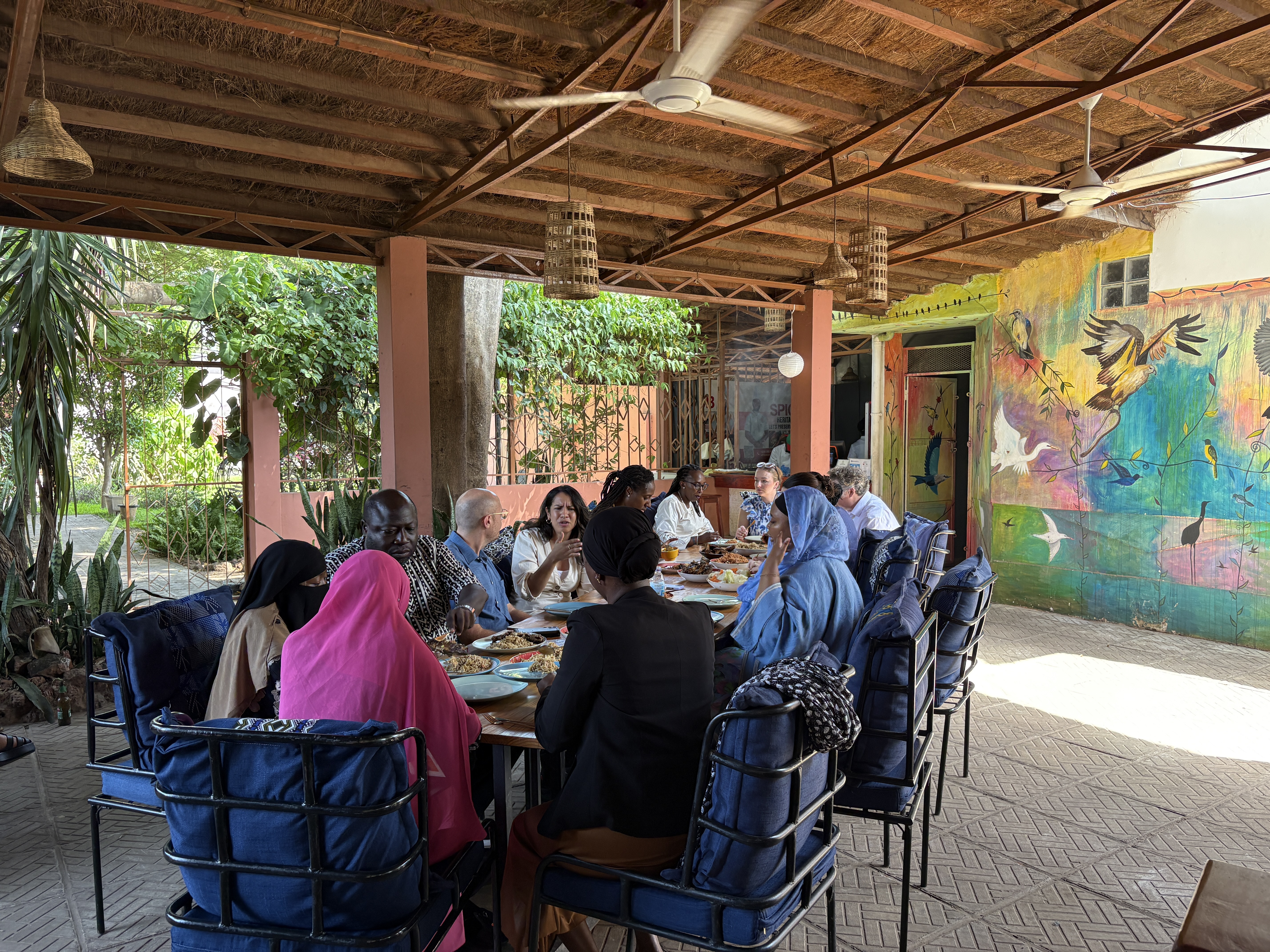
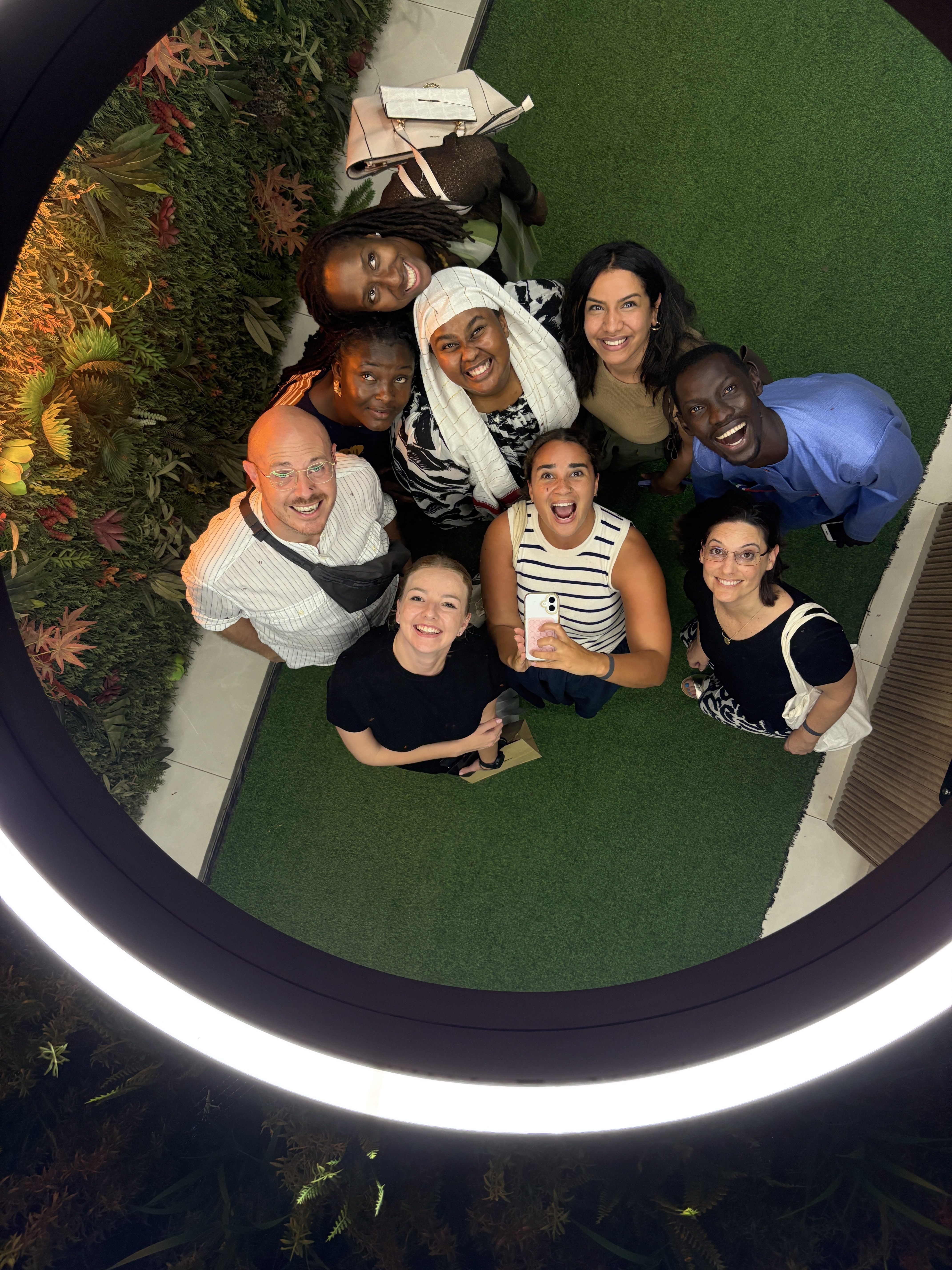
In October 2025, DemocracyNext hosted a convening in Banjul, The Gambia, with a group of facilitators, academics, civil society actors, researchers, and funders supporting democratic innovation from across Africa.
This convening was an opportunity to connect with each other, learn about, and reflect on recent experiences with citizens’ assemblies and other democratic innovations from across the continent. Our intention, and one of the outcomes, was to seed the establishment of an African network of people working on democratic innovations.
The participants were from The Gambia, Kenya, Senegal, Nigeria, Morocco, France/Guinea Bissau, and South Africa, along with virtual participation from Malawi.
1. Why did we convene this group?
At a time when global trust in democratic institutions is under strain, and policy decisions are more complex than ever, innovation in democratic practices is badly needed for more effective and trustworthy decision making.
In many African countries, this kind of innovation is already taking place. Across the continent, communities have long practiced forms of collective decision making rooted in dialogue, deliberation, accountability, and inclusion.
There are a growing number of people who have drawn on local traditions, while experimenting with innovative approaches like sortition (random selection of decision makers) and facilitated learning and deliberation structures in the form of citizens' assemblies.
Citizens' assemblies bring together a randomly selected, broadly representative group of people for a minimum of five days to learn about a specific challenge, hear from commentators about the topic, grapple with complex trade-offs, consider different perspectives, deliberate, and build consensus around shared recommendations.
A central pillar of DemocracyNext's work is convening networks, building the field, and facilitating knowledge sharing. Recognising both the isolation many practitioners felt and the strong appetite for connection and mutual learning, the idea of bringing together this community became clear.
Supported by the National Endowment for Democracy, this convening created space for practitioners, researchers, civil society actors, and funders to meet face-to-face — most for the first time — to share experiences, learn from each other's challenges and successes, and begin strengthening the ties that can sustain and grow this work across the continent.
To build more equitable, effective, and citizen-led democratic systems today and for the future, we must draw upon deeply-rooted traditions while supporting innovative, locally-grounded experiments that respond to contemporary democracy challenges.
2. Who is this document for?
In this convening follow-up document, we outline possible paths forward for key actors working on democratic innovations in Africa. It is intended for:
Civil society organisations working on citizen engagement and democratic innovation who are interested in connecting with, and learning from, those with experience implementing citizens’ assemblies - if you want to be part of the network, please reach out;
Funders focused on resourcing organisations and initiatives working on democratic innovations across Africa, and
Researchers working on deliberation, citizen engagement, and the impact of democratic innovations on decision making in Africa.
3. What did we do?
During the two days together, our agenda covered:
Sharing case studies of recent and upcoming citizens’ assemblies in Africa
Learning about other innovative citizen engagement processes
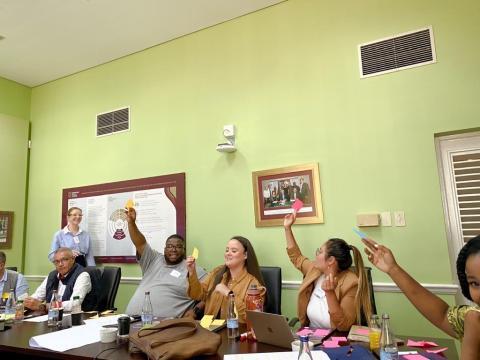
Reflections on, and discussion about, these cases - in small groups and in plenary
Identification of key themes and challenges
Sharing preliminary findings of DemocracyNext’s upcoming comparative research study on African citizens’ assemblies (written by Rorisang Lekalake and Stephen Buchanan-Clark)
A discussion on who was not in the room followed by a mapping exercise to identify key actors and stakeholders who should be part of this network
Next steps - where do we go from here?
“As we are planning the very first citizens’ assembly in South Africa, I came here to learn from fellow Africans, practitioners, and scholars on best practices, experiences, and take us further into this wonderful deliberative democracy journey.”
— Kira Alberts, Centre for Research on Democracy, Stellenbosch University, South Africa
4. Case studies: Reflecting on and learning from recent experiences with citizens’ assemblies in Africa
The convening provided a unique opportunity to hear from those directly involved in recent and upcoming citizens' assemblies and other innovative forms of citizen engagement in different countries across Africa. This included insights from:
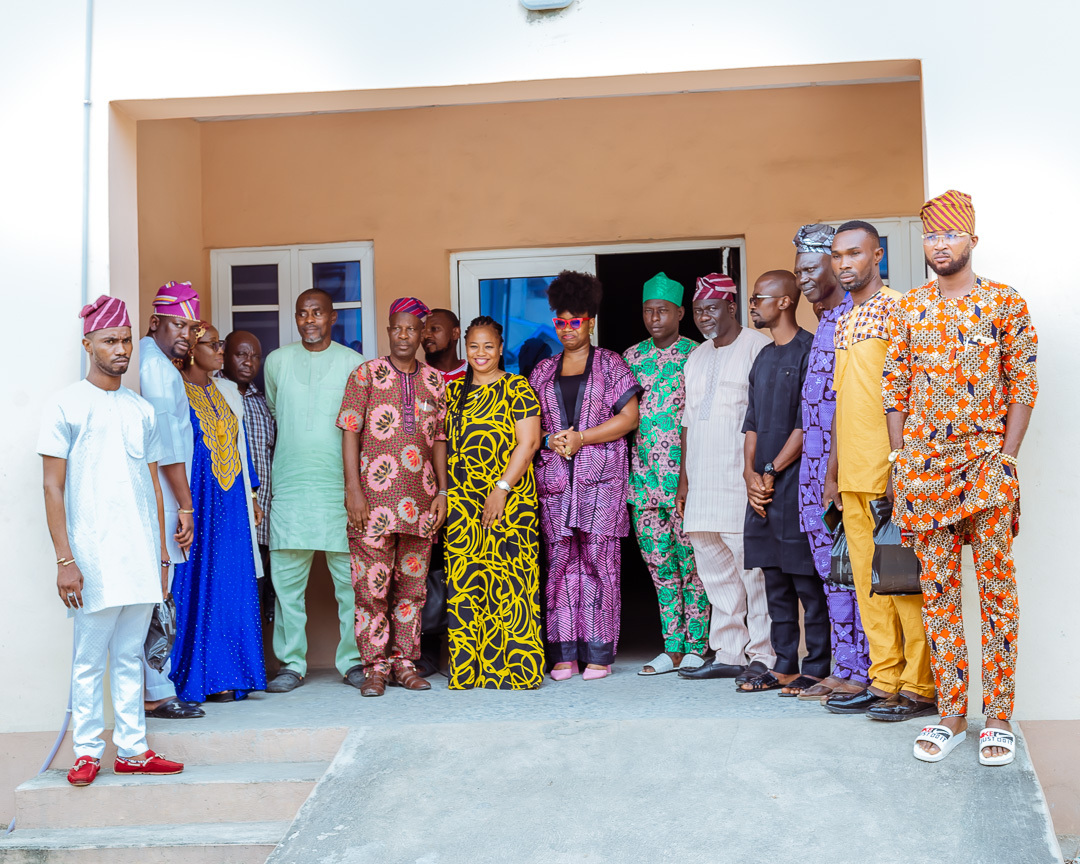
OngoingPeoples’ Assemblies in Lagos, Jos, Kano, FCT, Bayelsa, Anambra, Enugu, Ekiti, Ibadan in Nigeria led by convening attendee Anthonia Odije Onda from Yiaga Africa
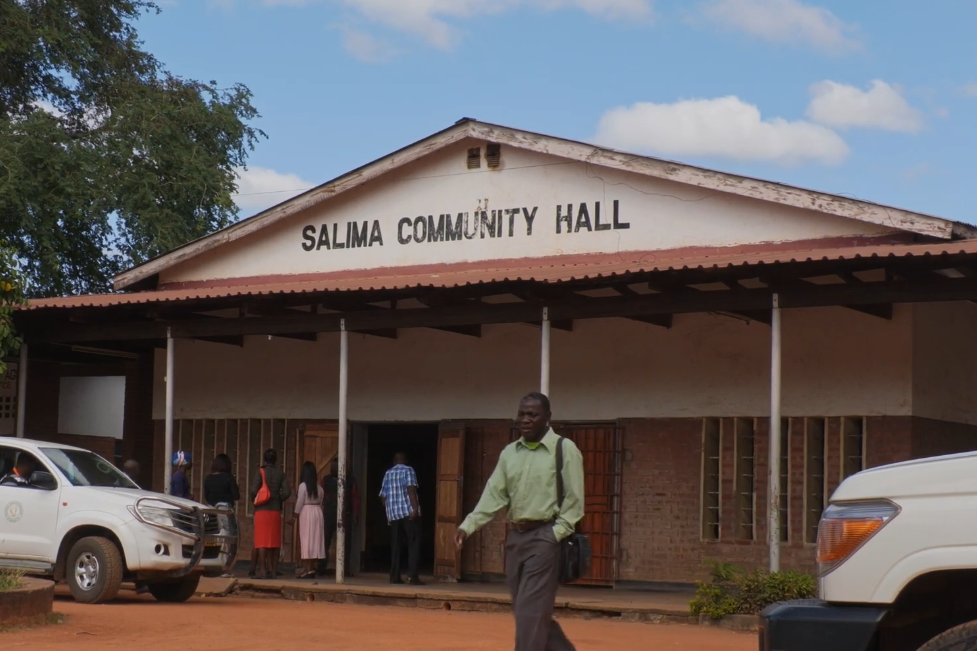
The 2022 Salima District in Malawiorganised by Edwin Msewa and supported by the United Nations Democracy Fund and newDemocracy Foundation
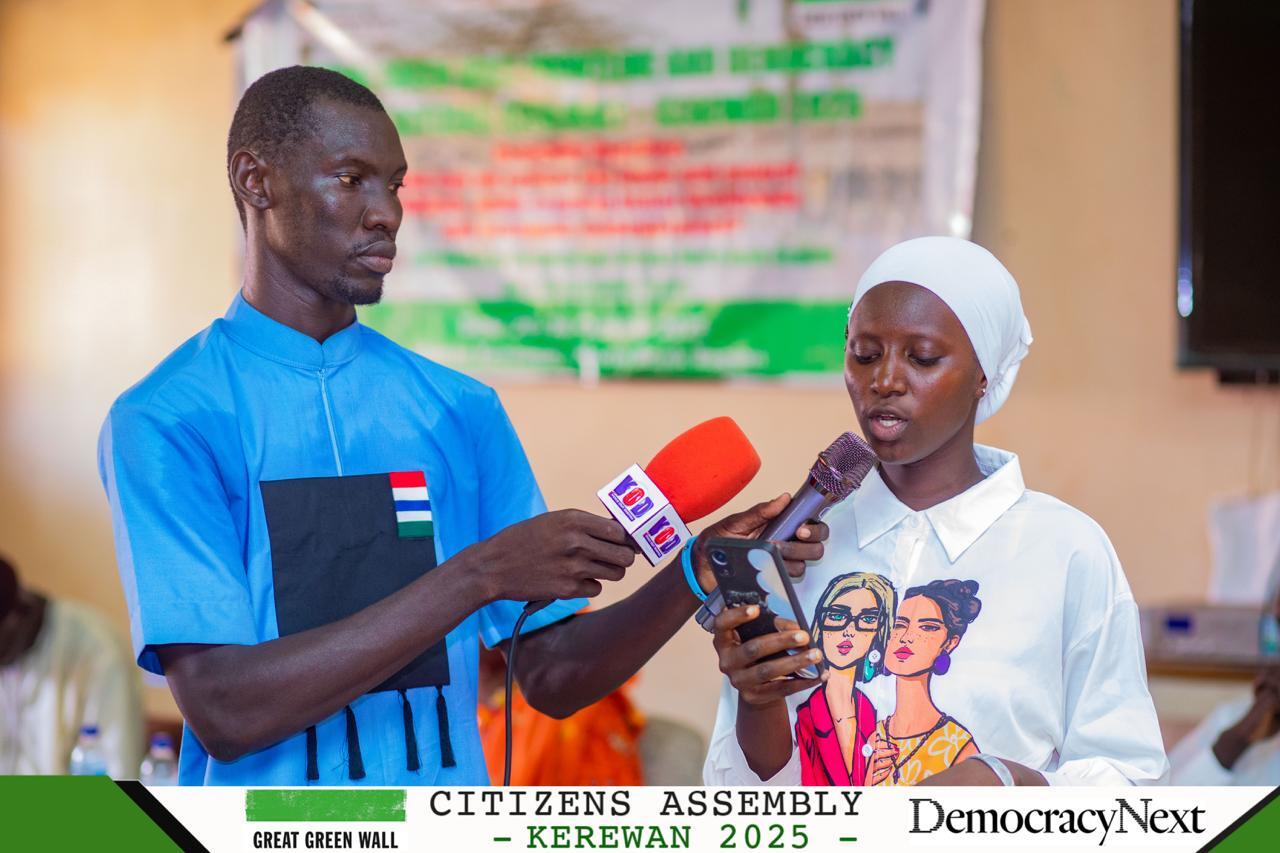
The 2025 North Bank Region Citizens' Assembly in The Gambia organised by Great Green Wall Frontline Initiative and facilitated by convening attendees Satang Aisha Omar and Cherno Gaye. The assembly design was supported by DemocracyNext and funded through the National Endowment for Democracy
Case Study 1: 2022 - present, Yiaga Africa’s People’s Assemblies, Nigeria
Yiaga Africa's People's Assemblies were established in 2022 in several of Lagos’ Local Government Areas (Ikeja, Kosofe, Surulere, Ifako-Ijaye, Alimosho), and have successfully improved local governance by creating structured platforms for deliberative democracy.
The assemblies have achieved tangible results, including the construction of a primary healthcare centre and road rehabilitation in Ikeja, improved security and provision of meeting spaces in Kosofe, and transformer provision and road repairs in Surulere.
Yiaga Africa has since established more assemblies in over 11 states and over 17 LGAs at the time of the convening. These assemblies are supported by UK FCDO and Open Society Foundation (OSF).
These grassroots deliberative forums enable citizens from various associations to directly engage with local government representatives about community needs, while also addressing ongoing challenges like multiple taxation, drainage systems, and security concerns, with local officials providing updates and accountability mechanisms ensuring promises are fulfilled.
“By creating sustainable platforms for inclusive citizen participation, diverse groups can deliberate, build consensus, and influence local governance and development, thereby strengthening democratic accountability, social cohesion, and responsive governance.”
— Anthonia Odije Onda: Senior Program Officer at Yiaga Africa
Case Study 2: 2022, Salima Citizens’ Assembly, Malawi
The 2022 Salima citizens' assembly focused on the topic of transparently managing and spending accountability of local Constituency Development Funds (CDF) in Salima District in Malawi.
This was Malawi's first-ever citizens' jury, with 20 randomly selected assembly members from each of the five constituencies in Salima District. The assembly produced eight critical recommendations, including requirements for independent project management committees, rigorous public audits, adherence to procurement laws, and enhanced monitoring by district councils using their 5% CDF allocation.
The assembly has had a lasting impact: it continues to be referenced and used as evidence for changing laws around how the community development fund is managed, with Members of Parliament and the Salima District Council committing to implement the recommendations.
Follow-up evaluations showed noticeable improvements in consultation during project identification, increased transparency in fund disbursement and procurement processes, and better adherence to CDF guidelines. The assembly selected members through sortition to reflect the community while shielding the process from influence by powerful individuals.
Project proposal prepared by Edwin Msewa for the UN Democracy Fund
Report outlining the process and impact of assembly
‘’Being one of the people selected to be in the citizens’ assembly, this is the most precious thing because I didn’t know how things work.’’
— Brian Lowanika - Salima Assembly member (quote from documentary)
Case Study 3: 2025, Nairobi Cityzens’ Assembly, Kenya
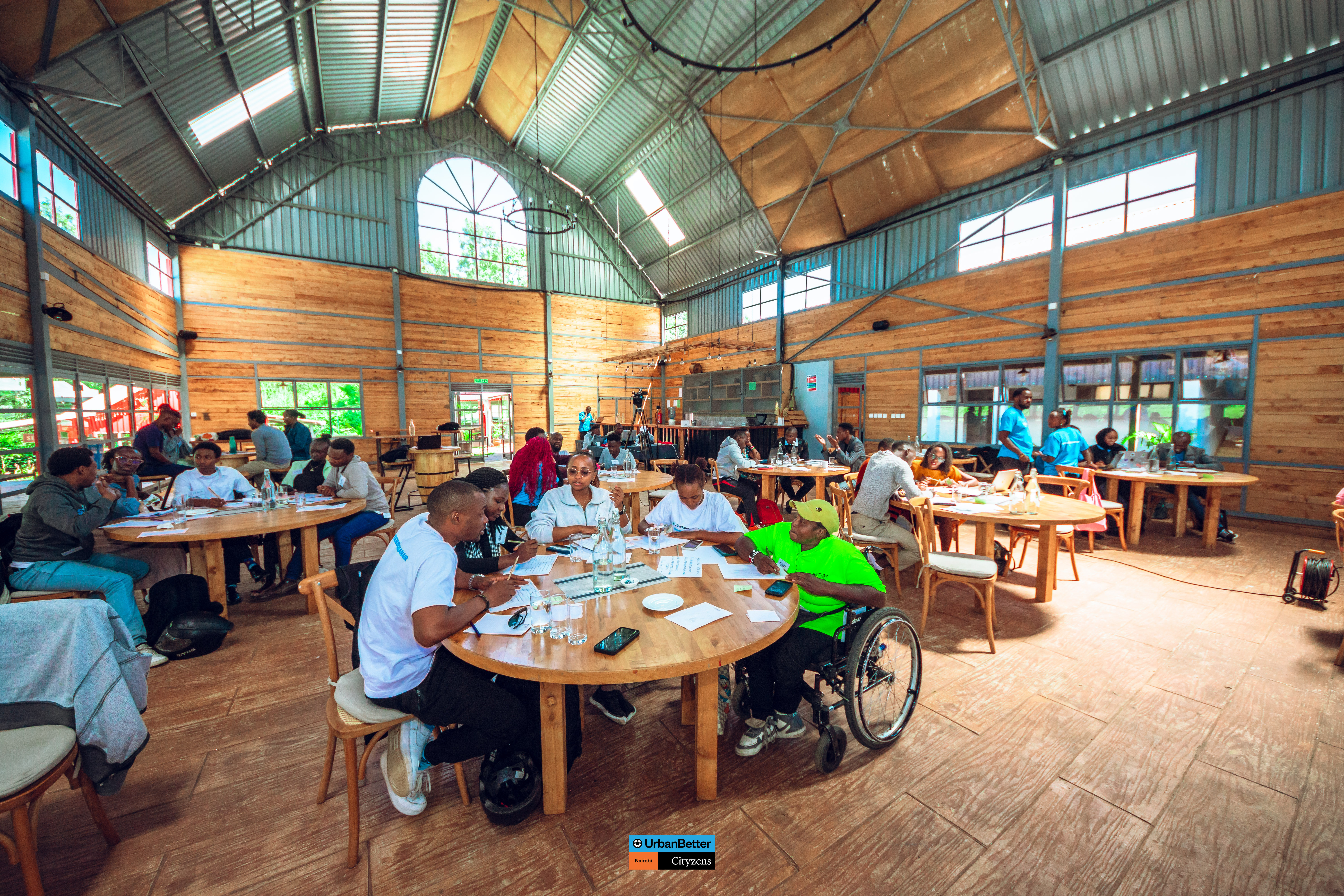
The 2025 Nairobi Cityzens' Assembly was a one day deliberative process that brought together residents, policymakers, experts and youth activists to address Nairobi's pressing air quality crisis and broader urban sustainability challenges.
The assembly focused on data-driven solutions to combat fine particulate pollution (also called PM2.5), PM2.5 levels that are three times higher than WHO guidelines, featuring youth-led citizen science initiatives using wearable sensors for real-time air quality monitoring, discussions on how urban design and green infrastructure can improve air quality, and strategies for building climate-smart, resilient urban environments.
Led by the UrbanBetter Cityzens’ Hub coordinator, Maryam Wangeshi and non-profit organisation Kounkuey Design Initiative (KDI), the assembly emphasised cross-sector collaboration and positioned youth as key catalysts for change, transforming awareness into actionable policy initiatives to create a cleaner, healthier Nairobi while contributing to sustainable urban futures globally.
"The Nairobi Cityzens Assembly proved that those most affected by urban challenges are the ones best equipped to solve them. By centering lived experience and community-generated data, we move from being mere subjects of policy to being its primary architects. After all, if you aren't at the table, you’re likely on the menu, and it is time we set the agenda ourselves."
— Maryam Wangeshi Hub Coordinator, Urban Better Cityzens, Kenya
Case Study 4: 2025, North Bank Region Citizens’ Assembly, The Gambia
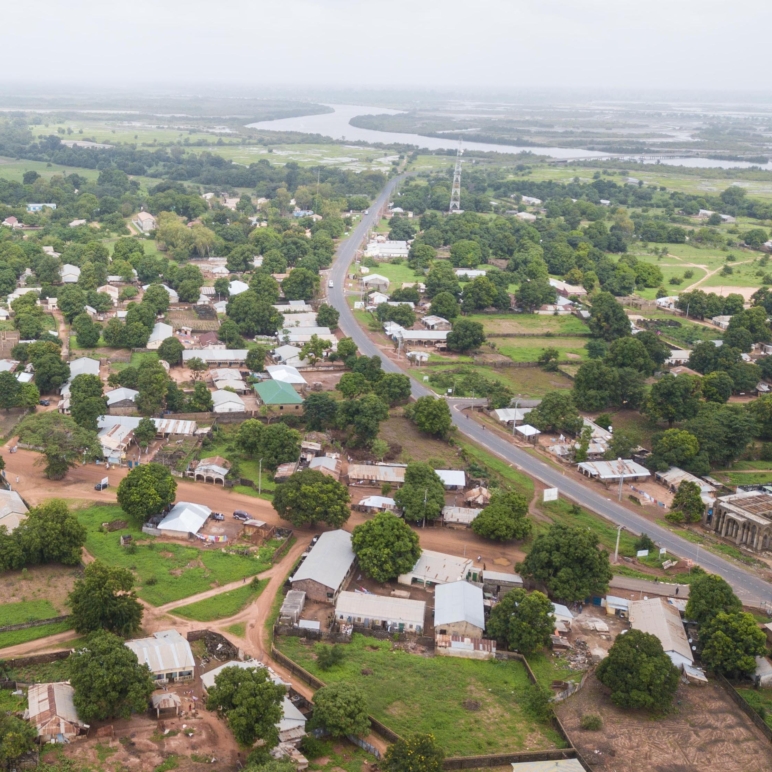
The 2025 North Bank Region Citizens' Assembly in Kerewan, The Gambia, brought together 30 randomly selected citizens from over 20 villages across the North Bank Region for a four-day deliberative process on climate resilience and environmental restoration.
Assembly members - including farmers, teachers, business owners and students aged 18-66 - worked through community mapping exercises, problem tree analyses, and priority-setting discussions in their local languages (Wolof, Mandinka) with input from experts from ActionAid and the University of The Gambia.
The assembly produced recommendations for local climate action, including integration of citizens into District Climate Resilience Committees, which were presented to local leaders including the District Governor and National Assembly members who signalled strong support for continuing such participatory processes.
This initiative, supported by DemocracyNext and implemented by Great Green Wall Frontline Initiative with critical resourcing from the National Endowment for Democracy, demonstrated how citizen-led governance can effectively address complex environmental challenges while respecting local knowledge and cultural contexts.
"This discussion is highly important. If someone offers help for your future, your children’s future, your grandchildren’s future, then that conversation is worth having."
— Kumba Sanyang - GGWF District Coordinator, North Bank Region
Case Study 5: 2026, Upcoming climate assembly, Cape Town, South Africa
In 2026, Cape Town will implement its first citizens’ assembly. The assembly will take place at a crucial moment, when everyday citizens often feel disengaged from democracy, underscoring the need for spaces that can bridge the city’s spatial, racial, and economic divides.
In response, South Africa’s first Citizens’ Assembly is being planned: a climate-focused assembly comprising 100 assembly members, centred on a policy question related to transport. The assembly is not commissioned by the municipality, but rather borne out of a research initiative led by CREDO (Centre for Research on Democracy) in collaboration with The Politics and Urban Governance Research Group at the University of the Western Cape. A Memorandum of Understanding ensures that the Mayor’s Office will formally receive and consider the citizens’ recommendations.
This design deliberately responds to a persistent challenge in the South African context: while formal mechanisms for public participation are well established on paper, they frequently operate as “rubber-stamp” processes. The assembly therefore seeks to create an authentic deliberative space in which citizens’ voices can meaningfully inform climate and transport policy.
“This Citizens’ Assembly is an attempt to move beyond participation as performance. By grounding the process in research rather than political expediency, we want to show that ordinary citizens, given time, information, and space to deliberate, can produce practical recommendations on climate and transport. We hope this first assembly demonstrates how deliberative processes can innovate democratic practice and be integrated into existing systems.”
— Kira Alberts - Co-chair of the Citizens’ Assembly Working Group at CREDO
5. Group reflections
After learning about these examples, convening participants worked both in plenary and small groups to tease out emergent themes from the case studies. Six core themes emerged from these discussions:
5. 1. Adapting democratic models to local contexts
A central tension ran through the discussions about whether citizens' assemblies represent a "global north" model being imposed on African communities, or whether they can authentically build upon existing deliberative traditions. Participants emphasised that deliberation already exists extensively at community levels across Africa, raising important questions about what value formalised citizens' assemblies add beyond indigenous practices.
Participants agreed on the importance of finding ways to root these processes in local knowledge systems while introducing different methodologies. Randomly selecting assembly members and rigorous follow-up mechanisms were suggested as ways to ensure greater representation while bridging the gap between deliberation and formal decision-making processes.
5.2. Inclusion and power dynamics
Significant attention focused on managing complex social hierarchies and ensuring authentic participation across economic, generational, and gender divides. Practical challenges emerged around engaging wealthy citizens who typically show less interest in participatory activities, while also including young people in ways that resonate with them. This is especially important in the context of most African countries, where youth make up between 60-70% of the population.
The experiences shared revealed creative approaches to levelling power dynamics - from managing traditional leaders' expectations to creating informal evening spaces where different voices, particularly women's, could emerge more freely. We also discussed that a key opportunity for ensuring greater inclusion and reaching people typically left out of these processes is through sortition - randomly selected people to be part of the process.
5.3. Creating sustainable democratic infrastructure: Building political will and measuring impact
A recurring concern centred on how to move beyond one-off processes to create sustainable democratic infrastructure. This involves garnering political buy-in through strategic, non-combative communication that helps officials see assemblies as opportunities rather than threats. The group grappled with how to measure impact beyond policy changes to include personal transformation and community cohesion, while ensuring recommendations have genuine power rather than becoming tick-box exercises.
5.4. Resource constraints and sustainability
Financial limitations prompted important discussions about developing"lean" approaches that maintain quality while reducing costs. Ideas ranged from communities contributing resources like food and venues, to exploring technology solutions and creating local funding mechanisms.
The dependency created by heavy external funding was recognised as a significant risk to long-term sustainability and funding is typically project based.
5.5. Communication and accessibility
Language, literacy, and framing emerged as critical factors. The term "climate change" itself can be alienating - requiring translation into tangible, lived experiences.
The need for multiple communication formats (audio recordings of recommendations, visual methods like drawing and mapping) highlighted how accessibility shapes who can participate meaningfully in democratic processes and how results are widely shared and understood by the broader public.
5.6. Network building and knowledge exchange
A strong desire emerged for continued collaboration and learning across contexts, with emphasis on documenting what works and what doesn't. The group recognised the value of building a resource base that moves beyond Western frameworks while maintaining quality standards rooted in shared values rather than rigid imported structures.
The potential for experimenting with different models - from youth assemblies to assemblies connected to NGOs rather than government - suggests a rich field for innovation in democratic practice.
Adapting to local contexts and knowledge systems, we examined how assembly design can honour indigenous decision-making practices and cultural traditions while incorporating international best practices.
We explored community engagement and authentic participation, considering what genuine inclusion looks like and how to ensure assemblies reflect the full diversity of the communities they serve.
Finally, we examined measuring impact and garnering political will and buy-in, discussing how to demonstrate the value of assemblies and build sustained commitment from decision-makers before, during, and after the process.
6. Proposal for ‘Katcha - An African Democratic Innovation Network’
Proposed by Satang Dumbuya and Cherno Gaye, facilitators of the assembly in Kerewan, the name of the network ‘Katcha’ is the Mandinka* word for deliberation.
Given this network kicked off in Banjul, the group felt it was appropriate that the name references The Gambia. Participants also engaged in a shared reflection to explore how these experiences can help grow a pan-African network of democratic innovation and seed further citizens' assemblies at different scales of government.
Beyond knowledge production, the convening was a starting point to cultivate a strong and connected interdisciplinary network of African practitioners, researchers, policy makers, and funders, laying the groundwork for possible future collaborations, peer learning, and experimentation in democratic innovation across the continent.
The group also explored funding and activation strategies. Given the diverse experiences represented, participants were at various stages of funding deliberation across the continent, this conversation proved especially insightful.
The discussion highlighted the importance of developing local, sustainable funding mechanisms for democratic innovation, rather than relying on international funding streams that often support only one-off processes and can be unstable.
As a next step, the network will need financial and organisational support to grow. For funders, this is an opportunity to contribute to the founding of an African network for democratic innovation.
This would enable greater exchange of knowledge and lessons as more people carry out this work across the continent. For African organisations already working in this space but not mentioned in this document, we’d love to hear from you if you’re interested in getting involved. This is an opportunity to join together!
*also known as the Gambian or Mandingo, is a Mande language spoken by the Mandinka people of northern Guinea-Bissau, the Casamance region of Senegal, and The Gambia where it is one of the principal languages.
7. Emerging research
On the second day, convening participants heard from Stephen Buchanan-Clarke about a DemocracyNext report he and Rorisang Lekakale are currently writing (to be launched in March 2026) that offers a comparative analysis of citizens' assemblies from several different African contexts.
In their research, the authors consider specific design elements, as well as the political and cultural contextual elements of each assembly, and will offer insights for the future. The report will be launched with a public webinar on 12 March 2026.
During a lively Q&A discussion with Stephen, three critical concerns were raised:
Resource efficiency: Given finite funding, are citizens’ assemblies the most effective investment for strengthening democracy in Africa? Can they be developed in less resource-intensive ways and extended beyond typical short timeframes?
Cultural authenticity: The risk of appearing as foreign impositions from Europe rather than locally-rooted solutions.
Indigenous practices integration: The importance of exploring African deliberative traditions and how citizens’ assemblies intersect with, or add value to, existing indigenous practices.
These concerns and other insights are addressed in detail in the forthcoming report.
8. Who was not in the room?
While the convening brought together people from seven countries across Africa, we are aware that it was not fully representative of the incredible diversity of people and places working on democratic innovations across the continent.
Recognising this, we worked with the convening participants to map out those who could also join the network, if interested.
The non-exhaustive list includes:
Duty bearers (civil servants, members of parliament)
The following is a synthesis of the convening outputs and serves as a starting point to guide funders, mobilise and connect civil society organisations, and inspire further research agendas. We identify eight concrete ways forward.
9.1. Develop hybrid models that bridge traditional and modern approaches
Rather than imposing citizens' assemblies as a separate structure, there's potential to strengthen and expand existing deliberative practices at local levels. This could involve mixing elements like sortition, structured learning, and formal recommendation drafting linked directly to existing policies and decision making processes with traditional forums. The goal would be enhancing what already works rather than replacing it - making current systems more inclusive and connected to policy outcomes.
9.2 Create an implementation toolkit
Making citizens' assemblies in Africa more accessible requires addressing both practical and resource barriers through a toolkit that lowers barriers to entry. This could include:
Practical implementation resources from other African assemblies such as facilitation plans, example timeframes, and recommendation reports.
Resource mobilisation strategies - given resource constraints, developing a community resource model could help communities experiment without heavy funding dependencies.
A ‘living knowledge base’ which includes a growing list of contextually-rooted processes.
Digital tool recommendations for streamlining certain aspects of citizens' assemblies, where appropriate they can help with random selection, assembly documentation and evaluation.
9.3. Build multi-level engagement strategies
Moving beyond single assemblies to interconnected processes:
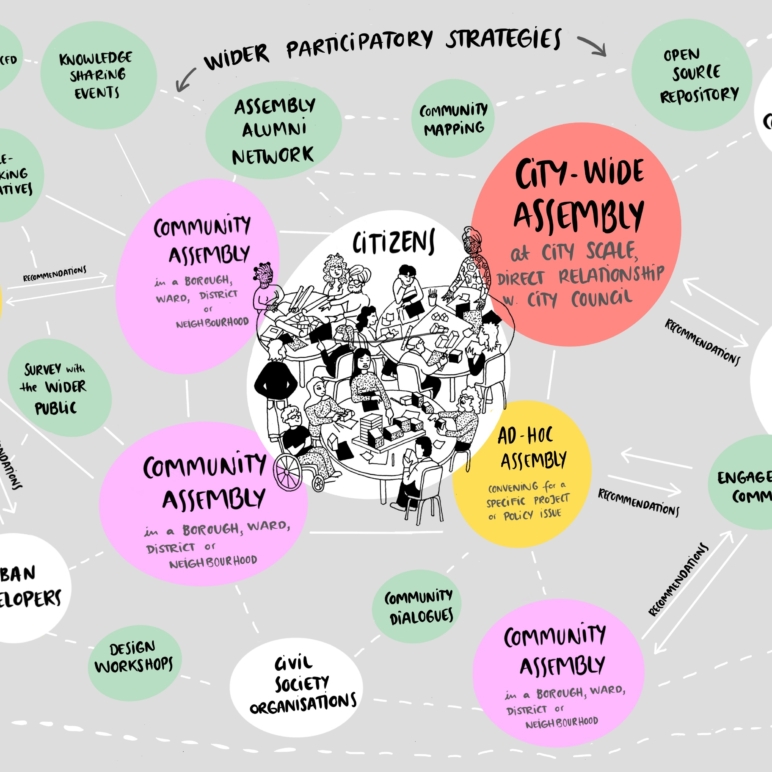
Neighbourhood-level deliberations that feed into city-wide assemblies.
Youth assemblies running parallel to adult processes.
Pre-assembly community engagement that shapes the question and/or informs the information base used during the learning phase of the assembly.
Post-assembly working groups/committees with citizen representatives that monitor implementation.
Regular "bantaba" or ‘’palavar’’ style informal spaces alongside formal sessions.
9.4. Establish an African network for democratic innovation - Katcha
The convening demonstrated a strong appetite for continued peer learning. Next steps could include:
A shared repository of methods, tools, and evaluation frameworks.
Regular exchanges between practitioners across countries.
Documentation of both successes and failures. aspects of citizens' assemblies, where appropriate they can help with random selection, assembly documentation and evaluation.
9.5. Experiment with sortition-based deliberation commissioned by different stakeholders
Beyond government-led processes, testing assemblies connected to:
NGOs and civil society organisations
University research programmes
International development projects
Community-based organisations
This could provide learning opportunities without requiring full government buy-in initially, while also demonstrating the value of assemblies to decision makers. A key aspect of this is engaging stakeholders early in the process to raise their awareness. Inviting them to observe sessions, and meeting with assembly members at the end of the process, would also contribute to their potential support for future assemblies.
9.6. Develop strategic communication frameworks
Creating materials and approaches that:
Use multiple formats (audio, visual, performance) for different audiences
Build narratives around personal transformation alongside policy change
Position decision makers and stakeholders as essential partners who can benefit from assembly processes
9.7. Create feedback loops between process and impact
Rather than viewing assemblies as discrete, one-off events:
Design targeted follow-up stakeholder dialogues after recommendation handovers
Build in community reporting mechanisms
Develop simple tracking systems for recommendation implementation
Refer to initial assemblies to identify topics for future deliberations
This could provide learning opportunities without requiring full government buy-in initially, while also demonstrating the value of assemblies to decision makers. A key aspect of this is engaging stakeholders early in the process to raise their awareness. Inviting them to observe sessions, and meeting with assembly members at the end of the process, would also contribute to their potential support for future assemblies.
9.8. Test technology appropriately
Exploring where digital tools can enhance deliberation, or reduce costs without compromising quality:
Digital campaigns for question development
Open-source digital tools for assembly member selection (ie. Panelot)
Online expert presentations where internet allows
Social media for broader community engagement
Simple apps for recommendation voting
The overarching opportunity seems to be developing an African approach to deliberative democracy that's neither a wholesale import nor a rejection of global practices, but rather a creative synthesis that draws on multiple traditions while addressing contemporary challenges. The emphasis should be on continuous experimentation, documentation, and adaptation rather than implementing a fixed model.
Eveline Rodrigues Abotsi is a lawyer and policy advisor. She advised South Sudan’s government on rule of law reforms and co-designed startup acts in Benin, Burundi and Cabo Verde, focusing on stakeholder engagement and deliberative policy. As a PhD researcher, she studies African deliberative traditions as a way to rethink democracy.
Kira Alberts is the Research Coordinator at the Centre for Research on Democracy (CREDO), Stellenbosch University. She leads the Citizens’ Assembly Working Group, coordinating the design of South Africa’s first citizens’ assembly. She works at the intersection of research and practice, advancing CREDO’s mission to strengthen democracy through inclusive, deliberative, and evidence-based approaches across Africa.
Fiona Anciano is a Professor in the Department of Political Studies and holds a UWC Chair in Citizenship and Democracy. She is Head of the Politics and Urban Governance Research Group in UWC’s EMS Faculty, and a visiting researcher at University West, Sweden. She is a qualitative researcher, specialising in Participatory Action Research methods with an interest in urban governance, democratisation and civil society.
Fatou Cham: Admin and Finance Officer, CepRass, The Gambia
Fatou Cham is a results-oriented professional with a Bachelor of Science in Accountancy from the University of The Gambia. Currently, she serves as the Admin and Finance Officer at the Center for Policy Research and Strategy Studies, also taking on roles as Project Coordinator and Supervisor. She is currently pursuing her ACCA course.
Priscilla Yagu Ciesay is a human rights lawyer and humanitarian law expert with 20+ years’ experience. She has worked internationally and in The Gambia, focusing on gender justice, victims’ support, and transitional justice. She co-founded WAVE-Gambia empowering women and victims, and contributes to global human rights initiatives.
Lamin Dampha is the former Executive Director of the Center for Policy, Research and Strategic Studies (CepRass) and a Lecturer in Accounting and Finance at the University of The Gambia. With over a decade of experience in higher education, consultancy, and policy research, he will be leading as the Assembly Evaluator for DemocracyNext. He has also conducted impact evaluations with C4ED (Germany) and the West African Climate and Adaptation (WACA) project.
Satang Dumbuya is a social justice activist focused on promoting gender equity and youth empowerment. Over the last five years, she has contributed in training over 4,000 young people on SGBV, life skills, arts, civic education and democracy across all regions in The Gambia. Nationally, Satang is recognised as a human rights activist working with and for people across all sectors. She believes that no meaningful development can take place without the empowerment, involvement and participation of young people and women.
Cherno Gaye is a Gambian professional with over six years experience in transitional justice, civic engagement, and youth empowerment. He has worked with both transitional justice institutions and civil society organisations, including serving as Deputy Coordinator of the Youth and Children’s Unit at the Truth, Reconciliation and Reparations Commission (TRRC) of The Gambia. Cherno is currently the Programmes Manager of Activista The Gambia, where he leads projects and implementation.
Fatou Kah: Research Assistant, CepRass, The Gambia
Fatou Kah is a full-time staff member at the University of The Gambia (UTG) and a Research Assistant at CepRass. She holds a BSc in Economics and is currently pursuing her Masters in Economics. Fatou has contributed to several research projects with CepRass and other consultancy firms and will serve as a Researcher on theKerewan assembly evaluation project (commissioned by DemocracyNext).
James MacDonald-Nelson is a designer with degrees in landscape architecture, urbanism, and global development studies. At DemocracyNext, James is responsible for all things cities-related. This includes managing collaborations with cities around the world who have partnered with DemNext to broaden and deepen citizen participation and deliberation in urban planning decision-making processes - with Citizens’ Assemblies playing a central role.
Anthonia Odije Onda has over ten years experience as a civil rights activist and development practitioner. As a Senior Program Officer at Yiaga Africa, she promotes citizen engagement, electoral reform, and civic innovation, empowering young people and creatives to drive social change, accountability, and inclusive democratic governance.
Lex Paulson is Director of Executive Programs at the UM6P School of Collective Intelligence (Morocco) and lecturer in advocacy at Sciences Po, Paris. A mobilisation strategist for the presidential campaigns of Barack Obama and Emmanuel Macron, he studied classics at Yale and Cambridge before earning his PhD in ancient philosophy at the Sorbonne. His work centres on leadership and strategies for systemic change.
Hannah Terry: Programme Coordinator, DemocracyNext, The Netherlands
Hannah Terry is a Programme Coordinator at DemocracyNext. She enjoys working at the intersection of research and practice, translating knowledge into action. She brings experience in communications and project management from her work with NGOs and government institutions across the United States, Europe, and Africa.
Nadine Rugwe Umutoni: Governance and Peace Building Advisor and Team Leader UNDP, Senegal
Nadine Rugwe Umutoni is a lawyer who is currently leading the Governance and Peacebuilding team at the United Nations Development Program (UNDP) Office for West and Central Africa based in Dakar where she provides strategic advice to 24 UNDP country offices and regional partners towards promoting inclusive governance, peacebuilding and sustainable development. She has 20 years of extensive experience in governance, justice and rule of law, gender equality and other issues.
Maryam Wangeshi is an Architect by profession .She helps cities breathe better through youth-led walks, live air quality data, and civic storytelling. She turns air quality into authorship, making invisible harm visible and unforgettable.Her work blends human centred design, activism, and community insights to protect what matters: our breath, our trees, our future.
Fatima Zamba is a Public Innovation Project Manager at the School of Collective Intelligence – UM6P. She joined the world of deliberative democracy with the 2021 Global Citizens’ Assembly on Climate and Ecological Crisis and has since contributed to several ongoing initiatives in the space like the Global Community Assemblies and youth dialogue initiatives.