The University of Sydney and DemocracyNext are excited to announce that we will be collaborating on a new project: “Including the more-than-human in decision making”.
Stories from around the world about worsening climate change, and the deepening degradation of nature are mainstays of news bulletins and weather forecasts. At the same time, high-profile processes like the Paris Agreement and government commitments seem to be failing to make a noticeable mark.
In recent decades, there has been increasing recognition of the need to involve the more-than-human in decision making. Around the world, communities and organisations are taking truly radical actions, not only to protect the planet, but to transform how people relate to the natural world. In this sense, they are doing more than providing hope that the climate, nature and biodiversity crises we are facing may be abated. Rather, they are enabling us to imagine what our worlds would look like if all animals and the natural world were truly included in the decisions that are shaping how we live.
This way of working has practical implications for decision making which, to be democratic, needs to take seriously the interests of all who are affected.
In this project we will be working together to:
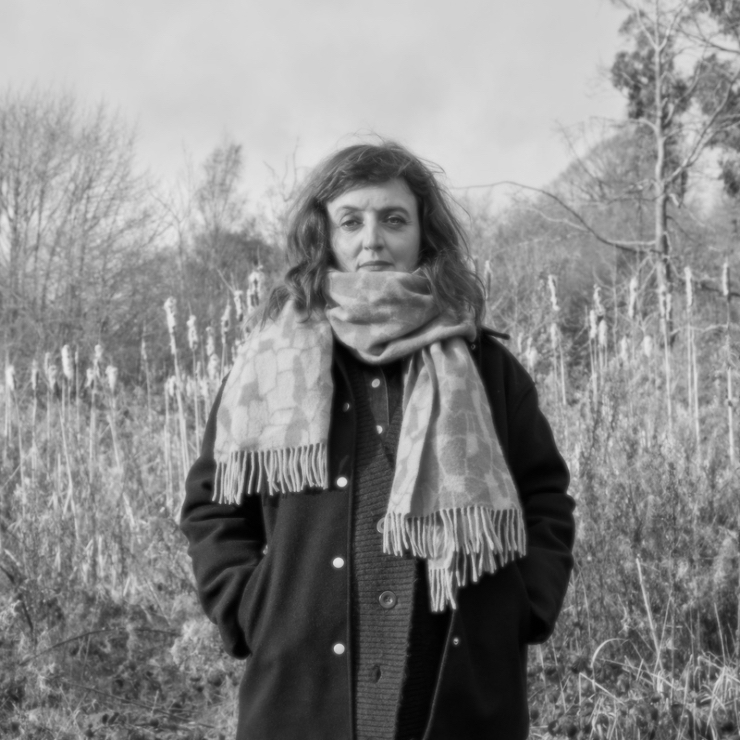
Professor Danielle Celermajer, University of Sydney, says, “This project takes the theory from a speculative stage into practical application and then testing it using the methodologies of the social sciences.”
We are looking to work with a climate or biodiversity citizens’ assembly taking place in Europe during 2026/ 2027. If you are involved in or know of an assembly taking place that might be interested in partnering with us, please contact Danielle.
This project has been generously supported by the V. Kann Rasmussen Foundation.
Read more about the University of Sydney Environment Institute’s work on MOTH here:
https://www.sydney.edu.au/sydney-environment-institute/
Read more about DemNext’s work on MOTH here: