'While each city presents a unique set of conditions, challenges, and opportunities, the issues they face are felt in many places around the world — from affordable housing, to ecosystem restoration and land management, urban mobility, and the regeneration of ageing infrastructure and neighbourhoods.'
Specifically, we help cities to establish citizens’ assemblies in a systematic way to broaden and deepen citizen participation and deliberation in urban planning decision making processes.
We tap into the knowledge and expertise of each city to adapt the general proposals outlined in DemocracyNext’s paper, Six ways to democratise city planning: Enabling thriving and healthy cities.
In the paper, we outline the different ways in which citizens’ assemblies are particularly relevant for cities and urban planning as they provide a platform for deeper engagement in addressing complex urban issues. By facilitating deliberation amongst a diverse and representative group of residents, assemblies enhance the legitimacy and accountability of decision-making processes, enabling informed decisions that reflect the needs and desires of the community.
This approach not only leads to better quality visions, plans, and projects but also fosters a sense of ownership among citizens, making it easier to tackle tough challenges that require trade-offs. Ultimately, by investing in the establishment of permanent, ongoing citizens’ assemblies, cities can create resilient, inclusive, and vibrant urban environments that truly reflects the perspectives of their inhabitants.
In response to an initial open call in February 2024 for cities to work with us to implement the ideas outlined in the paper, we received over 20 applications from cities in 17 countries around the world expressing their interest. After a rigorous interview process, we selected three cities. They expressed an enthusiasm and willingness to make systemic changes to how decisions about urban planning are made, with deliberative and sortition (lottery)-based approaches such as Citizens’ Assemblies as a key pillar of change.
In Autumn 2024, we will begin working with this cohort to build their knowledge of and capacity to implement Citizens' Assemblies. Drawing upon our Assembling an Assembly Guide, we’ll break down the steps of setting up a Citizens' Assembly into nine learning modules. Each module of the programme will cover a key part of the assembly process with examples from around the world and the specific design considerations for each step.
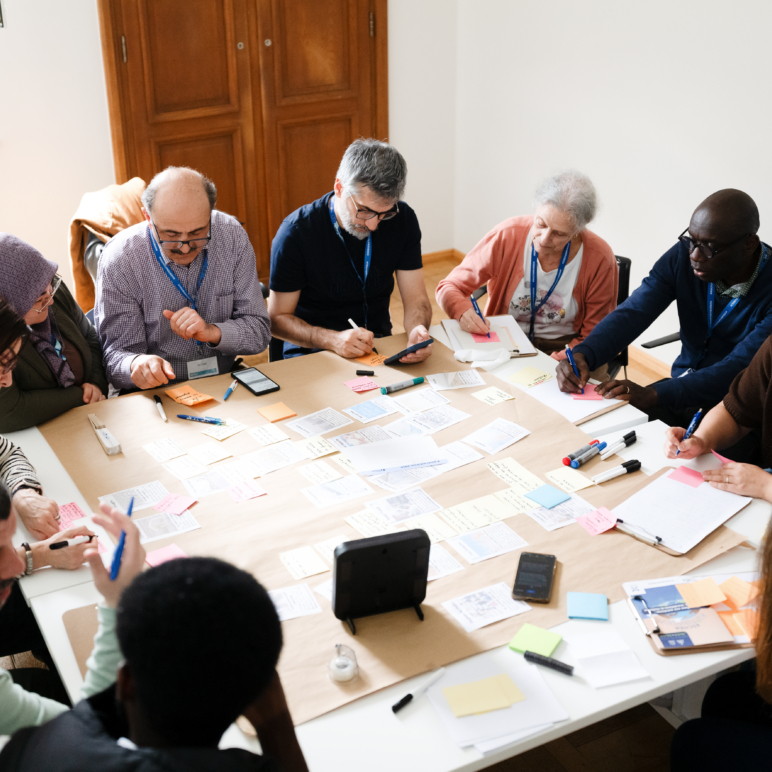
From late 2024 - spring 2026, we have been working with each city to determine how a deliberative assembly can be contextually designed and embedded in each unique place to broaden and deepen citizen participation and deliberation in urban planning decision making. DemNext also helped each city to decide on the assembly question.
In 2025-2026, the three cities each implemented a citizens' assembly. Local practitioner organisations delivered the assembly and facilitated deliberations. Academic institutions closely followed the design and implementation process to conduct a full independent evaluation. Learnings from this experience will help determine the best way to institutionalise citizens' assemblies in each city.
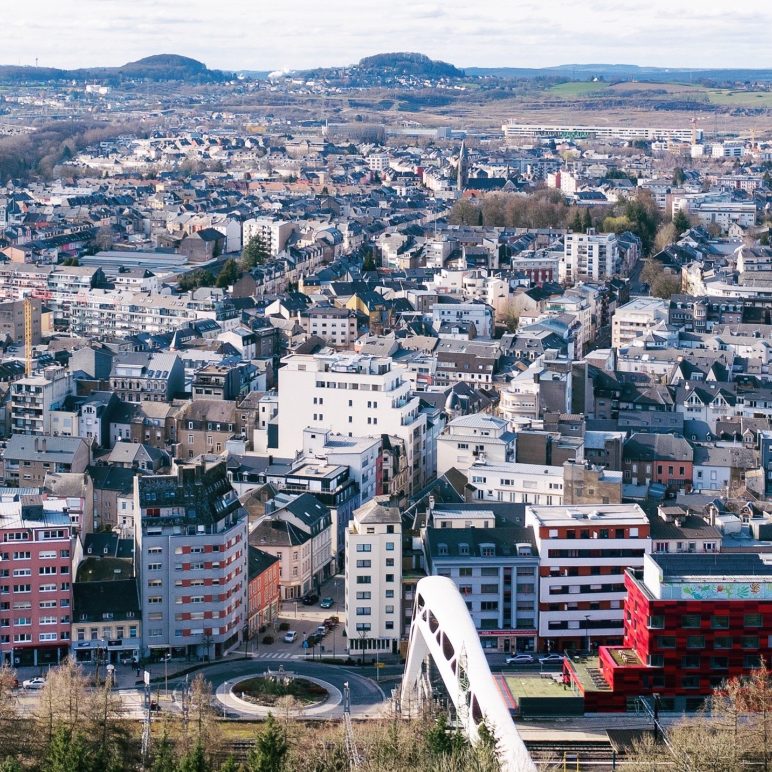
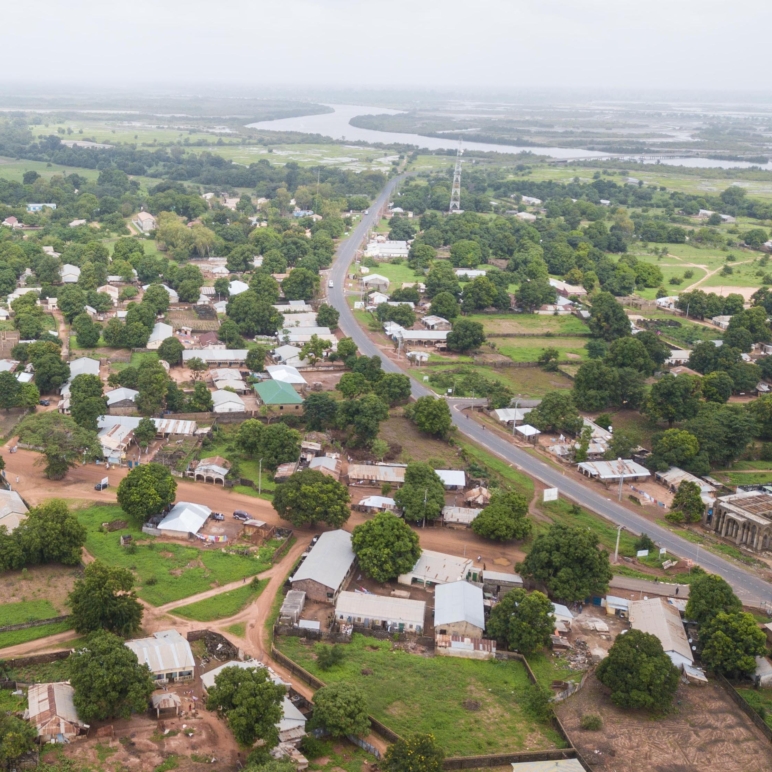
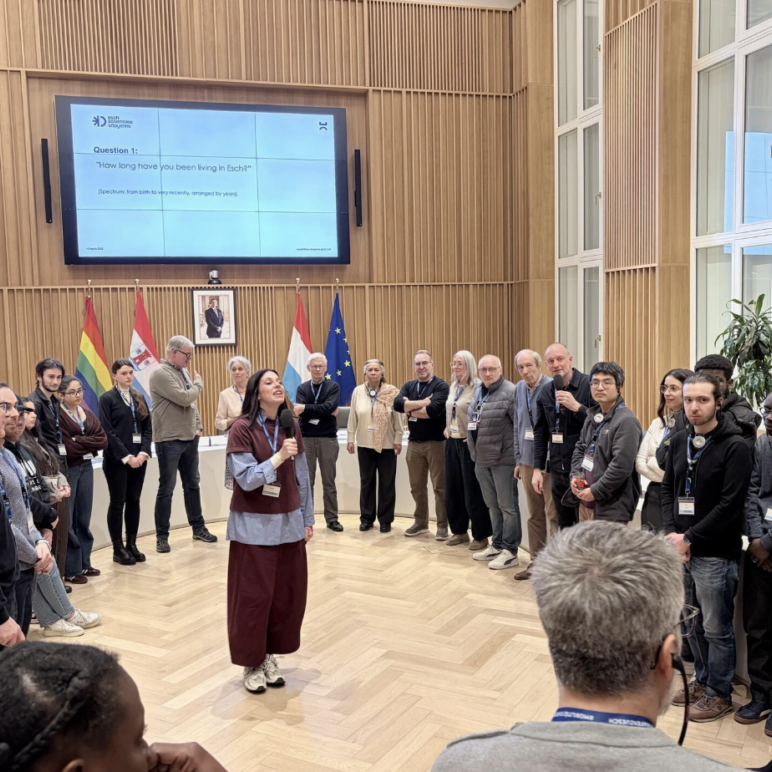
In July 2026, we published a report sharing the learnings from our work with Esch-sur-Alzette (Luxembourg), Vilnius (Lithuania), Kerewan (The Gambia), and Deschutes County (Oregon, USA) about how cities who have never done an assembly before can go from an initial pilot towards institutionalisation to help achieve their goals of broadening citizen power and improving collective decision making for the long run.
Illustration at the top of page by: Adele Vivet
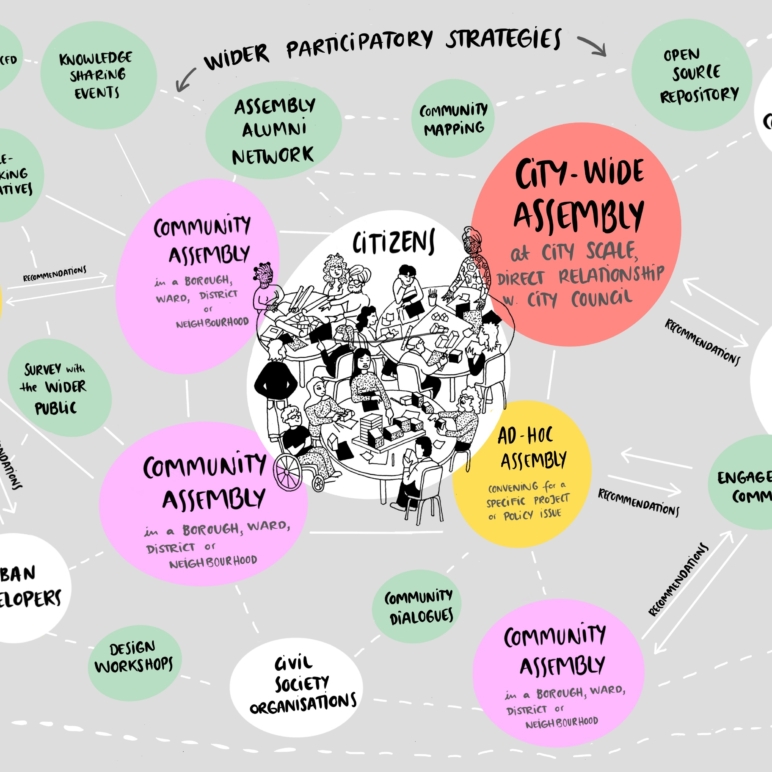
While we're working closely with this initial cohort of three cities until mid-2026, we are still very much interested in hearing from other cities, civil society organisations, and urban developers who are keen to collaborate with DemocracyNext in the future. Below gives you an overview of how we work:
If you would like to discuss a possible collaboration with us, please contact our Cities Programme Lead, James MacDonald-Nelson at james@demnext.org.